Blog

foreplay of passionate couple

How Is Chlamydia Transmitted?

Chlamydia is one of the most common bacterial STDs in the United States, yet many people aren’t fully sure how it spreads. Understanding how chlamydia is transmitted helps you make sense of your own situation — whether you’re trying to figure out a possible exposure or just want clearer information. This page walks through exactly
April 10, 2026
Read more
Couple having appointment with STD specialist in clinic, closeup

How Is Syphilis Transmitted?

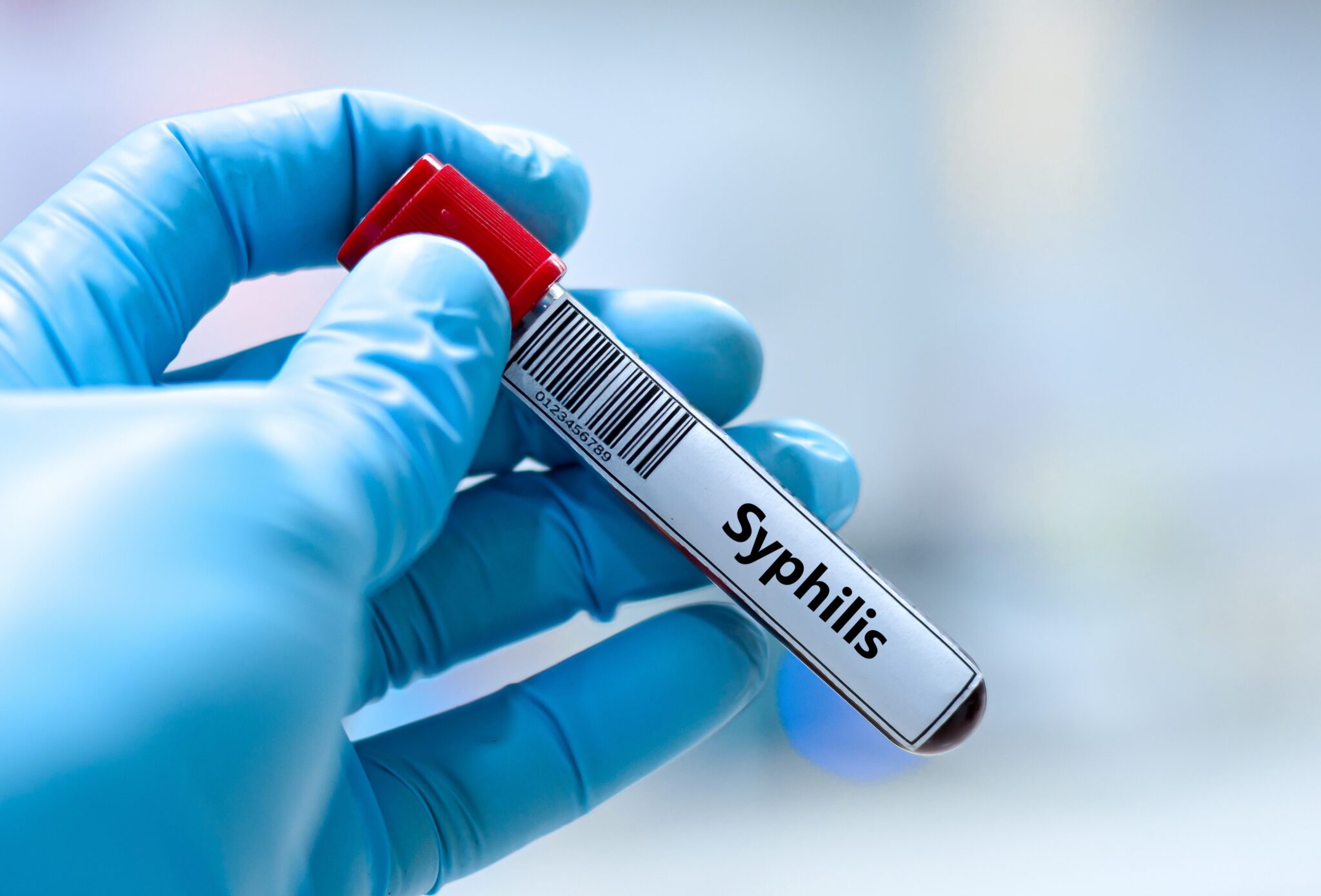
Syphilis is transmitted through direct skin-to-skin contact with a syphilis sore during sexual activity. The bacterium Treponema pallidum passes between people when mucous membranes or broken skin touch an active sore. Understanding how syphilis transmission works can help you figure out whether testing makes sense for your situation. For broader context on , that guide
April 10, 2026
Read more
sore throat std

Oral STD Symptoms: Mouth, Tongue & Throat Signs

Oral STD symptoms can appear in the mouth, on the tongue, along the gums, or in the throat — and they often look a lot like common, everyday conditions. A sore throat, a mouth ulcer, or a small bump inside the cheek can each have many causes, which makes it genuinely difficult to know when
March 15, 2026
Read more

Burning When Peeing: Could It Be an STD?

Burning when you pee is one of those symptoms that’s hard to ignore. It can feel alarming, but it’s also one of the most common reasons people look into STD testing. Several STDs can cause this symptom, and so can a few non-STD conditions. Understanding what’s behind it — and how testing can give you
March 15, 2026
Read more
trich test

Trichomoniasis Window Period: How Long Does Trich Take to Show Up?

The trichomoniasis window period is the time between exposure and when a test can reliably detect the infection. There is no published detection window for trichomoniasis — the 5-to-28-day figure often quoted is CDC’s range for when symptoms appear, which is a different thing. In practice clinics advise testing about a week after exposure, and
March 15, 2026
Read more
syphillis test window

Syphilis Window Period: How Long Does Syphilis Take to Show Up?

The syphilis window period is the time between exposure to the bacteria and when a blood test can accurately detect it. No health authority publishes a syphilis detection window. In practice, clinics test early and then repeat at around six weeks and again at three months, because antibody levels take time to rise. Understanding this
March 15, 2026
Read more
HIV Window Period

HIV Window Period: How Long Until HIV Shows Up on a Test?

The HIV window period is the time between a potential exposure and when a test can accurately detect the virus. Understanding this window takes a lot of the guesswork out of testing timing — and knowing which test you’re using makes all the difference. Different tests have different detection windows, ranging from about 10 days
March 15, 2026
Read more
STD Testing After Sex

How Soon After Sex Can You Test for STDs? Complete Timing Guide

Figuring out how soon after sex you can test for STDs is one of the most common questions people have — and one of the most important ones to get right. Test too early and you might get a false negative, even if an infection is present. Understanding the window period for each STD helps
March 15, 2026
Read more
Chlamydia Test

Chlamydia Window Period: How Long Does Chlamydia Take to Show Up?

The chlamydia window period is the time between exposure and when a test can reliably detect the infection. For chlamydia, clinics generally advise waiting about two weeks after exposure. No US or UK health authority publishes a formal detection window for chlamydia, so two weeks is best understood as standard clinical practice rather than an
March 15, 2026
Read more
Previous Next

Confidential, Private and Affordable STD Testing?

Order a full 10 test STD screening panel now for just $139.
Individual STD tests starting at just $24.

Advertising Disclaimer

We connect users with trusted third-party testing providers, but do not offer medical advice, diagnosis, or treatment ourselves. Compensation may be received for some referrals.


All medical decisions should be made in consultation with a licensed healthcare provider.