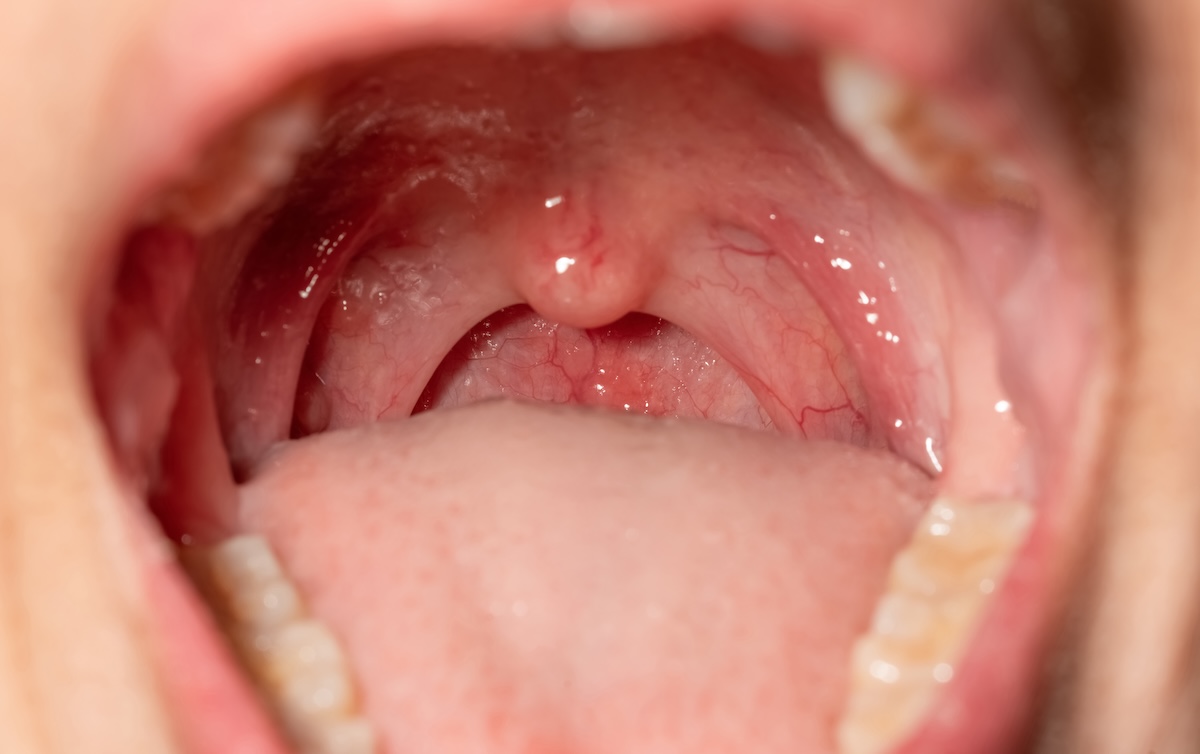
The syphilis window period is the time between exposure to the bacteria and when a blood test can accurately detect it. For most people, that window is roughly 3 to 6 weeks — but for a truly conclusive result, waiting 90 days gives you the clearest picture. Understanding this timeline helps you choose the right moment to test and interpret your results with confidence.
If you’re trying to figure out when to get tested after a potential exposure, you’re in the right place. This page walks through exactly how the syphilis testing window works, what affects accuracy, and what your results actually mean. For a broader look at timing across all STDs, the complete STD testing window guide covers every major infection in one place.
What Is the Syphilis Window Period?
The window period is the gap between the moment syphilis enters your body and the point when enough antibodies have developed for a blood test to detect them. During this window, you could have syphilis and still test negative — not because the test failed, but because your immune system hasn’t yet produced a detectable response.
For syphilis, that window generally spans 3 to 6 weeks. Some blood tests can pick up early signs of infection within 1 to 2 weeks of exposure, but results at that stage aren’t considered reliable on their own. The 90-day mark is when most testing guidelines consider a negative result to be conclusive.
Think of the window period less as a countdown and more as a timing guide. Testing at the right time means your result actually tells you something useful.
How Soon After Exposure Can Syphilis Be Detected?
Syphilis is caused by the bacterium Treponema pallidum. After exposure, the incubation period — the time before any symptoms might appear — ranges from 10 to 90 days, with an average of about 21 days. This is separate from, but overlaps with, the testing window.
Early blood tests may detect syphilis antibodies as soon as 1 to 2 weeks after exposure. However, at that stage the result can easily be a false negative, meaning the infection is present but hasn’t yet produced enough antibodies for the test to catch it. Testing at 3 to 6 weeks gives a reasonable early indication, and testing at 90 days provides the most reliable result.
If you’d like to find a testing location near you, options are available at multiple stages so you can test early and retest if needed.
What About Testing at 45 Days?
A syphilis test at 45 days is more accurate than one taken in the first two weeks, but it still falls within the potential window period for some people. The highest accuracy is generally reached around the 90-day point. A negative result at 45 days is encouraging, but a follow-up test at 90 days gives you a more definitive answer.
Syphilis Testing Window: Key Timeframes at a Glance
| Time Since Exposure | Testing Accuracy | What It Means |
|---|---|---|
| 1–2 weeks | Low | Too early for reliable results; false negatives likely |
| 3–6 weeks | Moderate | Early detection possible; not yet considered conclusive |
| 45 days | Moderate to good | Encouraging result, but follow-up at 90 days is worthwhile |
| 90 days (3 months) | High | Conclusive window; negative result is reliable |
How Does a Syphilis Blood Test Work?
Syphilis testing uses a blood sample to look for antibodies your immune system produces in response to infection. There are two main types of syphilis antibody tests: non-treponemal tests (like RPR and VDRL) and treponemal tests (like FTA-ABS). Labs often use both together to confirm a result.
Non-treponemal tests measure the level of antibodies in your blood and are often expressed as a titer — a ratio like 1:2, 1:8, or 1:32. Higher titers generally indicate more active infection, while lower titers can reflect a past infection or one that has been treated. Treponemal tests confirm whether syphilis antibodies are present at all.
Understanding how to read syphilis test results can feel confusing, but the key point is that these two test types are usually used together to give a clearer picture.
What Can Affect Syphilis Test Accuracy?
A few factors can influence whether a syphilis test gives an accurate result. False positives — where the test shows positive but no infection is present — can occasionally occur due to:
- Autoimmune conditions such as lupus (SLE)
- Recent vaccinations
- Older age
- Some other infections
False negatives are more common when testing too early, before antibodies have reached detectable levels. Testing at 90 days significantly reduces the chance of either type of inaccurate result.
When Is It Too Late to Test for Syphilis?
There’s no hard cutoff — syphilis antibodies can remain detectable in the blood for years, even after successful treatment. So testing is possible well beyond the 90-day window. The 90-day mark is about getting a conclusive negative; it doesn’t mean testing becomes less useful after that point.
If you’re wondering whether too much time has passed, it generally hasn’t. A blood test can still detect syphilis antibodies long after exposure, and a positive result at any point is still meaningful.
How Does the Syphilis Window Period Compare to Other STDs?
The syphilis window period falls somewhere in the middle range compared to other infections. Chlamydia and gonorrhea typically have shorter windows of around 1 to 2 weeks. HIV has a window of up to 45 days for most fourth-generation tests, though 90 days is still used as a conclusive benchmark. Hepatitis C has the longest window — the hepatitis B and C window period can extend up to 6 months, making it the longest among commonly tested STIs.
Knowing where syphilis falls on this spectrum helps if you’re considering a broader panel and want to time everything accurately.
Does a Syphilis Infection Have Any Signs During the Window Period?
Some people notice a small, painless sore called a chancre, which typically appears around 21 days after exposure — though it can show up anywhere from 10 to 90 days in. Because the sore is painless and often appears in an easy-to-miss location, many people don’t notice it at all.
The presence or absence of a sore doesn’t tell you anything reliable about your infection status. Only a blood test during or after the window period gives you accurate information. Symptoms alone aren’t a reliable guide to timing your test.
Testing More Than Once: When a Second Test Makes Sense
If you test before the 90-day mark and get a negative result, getting a follow-up test at or after 90 days offers an additional layer of certainty. This two-test approach — one early baseline and one confirmatory test — is a common approach people choose when they want full clarity.
There’s nothing unusual about testing twice. It just gives your immune system enough time to produce antibodies at a detectable level, which means your result reflects what’s actually going on.
Visit STDTest.com to locate free and low-cost testing clinics in your area.
Frequently Asked Questions
What is the window period for syphilis?
The syphilis window period is generally 3 to 6 weeks, meaning that’s the earliest point where a blood test may detect the infection with reasonable accuracy. For a conclusive result, most testing guidance points to the 90-day mark as the definitive window. Testing before 3 weeks carries a high chance of a false negative result.
How accurate is a syphilis test after 45 days?
A syphilis test at 45 days is reasonably accurate but not yet definitive for everyone. Most people will produce detectable antibodies by this point, but some may take longer. A follow-up test at 90 days is a common choice for full confidence in a negative result.
When is it too late to test for syphilis?
There’s no point at which testing becomes too late. Syphilis antibodies remain in the blood for a long time — often years — after exposure or treatment. A test taken well after the 90-day window can still detect an active or past infection accurately.
What can throw off a syphilis test?
False positives can occasionally result from autoimmune conditions like lupus, recent vaccinations, certain other infections, or older age. False negatives are most common when testing too early, before antibodies reach detectable levels. Testing at 90 days reduces the likelihood of either type of inaccurate result.
Which STD has the longest window period?
Hepatitis C has the longest window period among commonly tested STIs, extending up to 6 months in some cases. Syphilis, by comparison, has a relatively shorter window with most accurate results available by 90 days. HIV, chlamydia, and gonorrhea all have their own specific timing guidelines.
Can syphilis be detected before symptoms appear?
Yes — blood tests look for antibodies, not symptoms, so testing can detect syphilis even when no visible signs are present. Many people with syphilis never notice symptoms at all, which is part of why understanding the testing window matters. A blood test taken at the right time gives you accurate information regardless of whether symptoms appeared.
Does a negative result at 90 days mean I definitely don’t have syphilis?
A negative syphilis test at 90 days after exposure is considered conclusive under standard testing guidance. At that point, enough time has passed for antibodies to reach detectable levels if an infection occurred. If you had a recent separate exposure after that 90-day point, a new testing window would apply.
Getting clear on the syphilis window period takes away a lot of the uncertainty around testing. The timeline is well understood, the tests are reliable when taken at the right time, and knowing when to test means your result actually gives you useful information. Whenever you decide to test, you’re in a good position to get clarity.
Confidential, Private and Affordable STD Testing
Not sure when to test? Understanding your STD testing window period helps you get accurate results. When you're ready, find confidential STD testing clinics near you — same day appointments, no referral needed, results in 3 business days.