
Many people wonder whether STD symptoms can appear just 3 days after potential exposure. The answer depends on the specific infection, but some STDs can indeed show early signs within this timeframe, while others take weeks or months to develop symptoms.
Can STD Symptoms Really Show Up After 3 Days?
Yes, STD symptoms can show up after 3 days for certain infections, though this varies significantly between different sexually transmitted diseases. The time between exposure and symptom onset is called the incubation period.
Understanding the Incubation Period
The incubation period is the time between when you’re exposed to an infection and when symptoms first appear. During this period, the infection is present in your body and multiplying, even if you feel completely normal.
Some STDs have short incubation periods of just 2-3 days, while others can take weeks, months, or even years to produce symptoms. Many infections can remain completely asymptomatic, meaning you may never develop symptoms at all. For a complete overview of when each STD becomes detectable, see our STD testing window period guide.
Why Some STDs Appear Faster Than Others
Several factors affect how quickly symptoms develop after exposure. Your immune system’s response plays a key role – some people’s bodies react faster to infections than others. The type of pathogen also matters, as bacterial infections often produce symptoms more quickly than viral ones.
The amount of infectious material you were exposed to can influence symptom timing as well. However, it’s important to understand that many STIs cause few or no symptoms, making testing the only reliable way to know your status.
Which STDs Show Symptoms the Fastest?
Certain STDs are more likely to produce symptoms within the first few days after exposure. Here are the infections most commonly associated with early symptom onset. For a deeper comparison, see our guide on which STDs show up fastest after exposure.
| STD | Symptom Onset | Common Early Signs |
|---|---|---|
| Gonorrhea | 2-7 days | Discharge, burning urination |
| Genital Herpes | 2-12 days | Tingling, blisters, sores |
| Trichomoniasis | 5-28 days | Itching, unusual discharge |
Gonorrhea (2–7 Days)
Gonorrhea symptoms can appear as early as 2 days after exposure, though 2-7 days is the typical range. Common signs include a burning sensation during urination and thick, cloudy, or yellowish discharge from the penis or vagina.
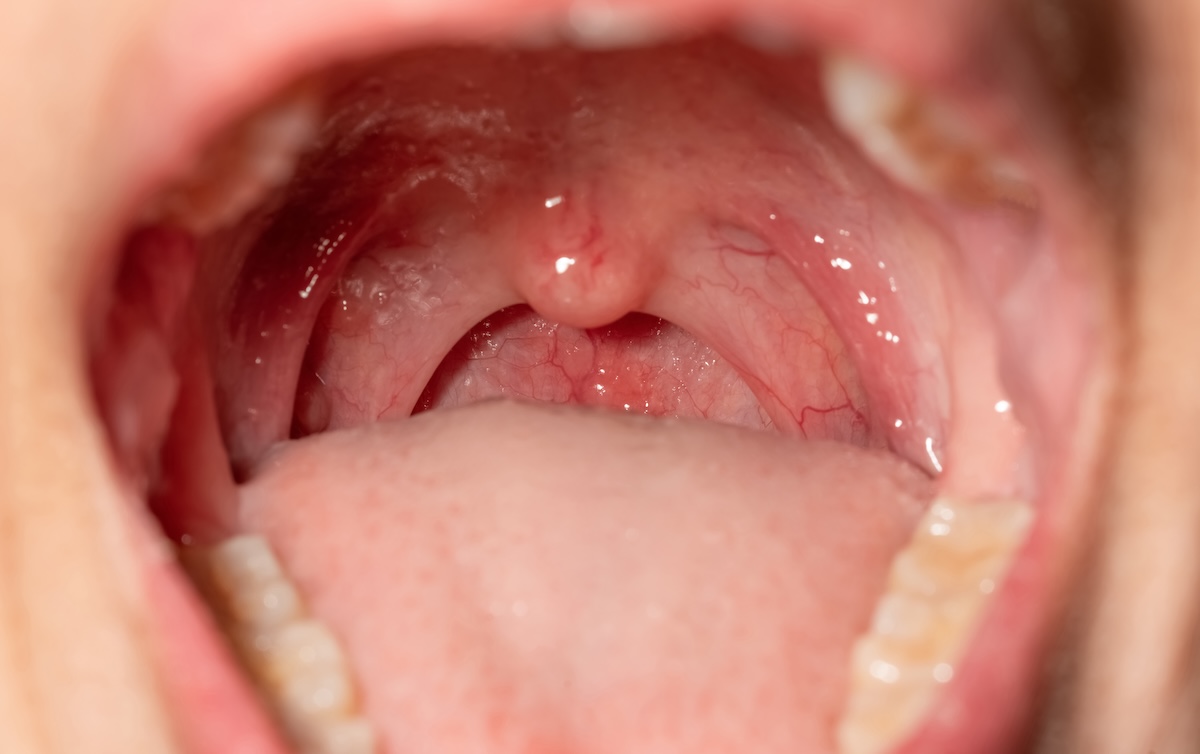
Men may notice testicular pain, while women might experience pelvic pain or heavy menstrual bleeding. The infection can also affect the throat, eyes, and joints if transmitted through oral contact.
Genital Herpes / HSV (2–12 Days)
Herpes symptoms can develop within 2-12 days of exposure, though some people remain asymptomatic for months or years. Early signs include tingling, itching, or burning sensations in the genital area.
Small, painful blisters or sores typically follow these initial sensations. The first outbreak is often the most noticeable, with subsequent episodes usually being milder and shorter in duration.
Trichomoniasis (5–28 Days)
Trichomoniasis symptoms typically appear 5-28 days after exposure, though they can occasionally develop earlier. The infection causes itching, burning, and discomfort in the genital area.
Discharge may be foul-smelling, watery, or greenish in color. Many people with trichomoniasis experience pain during urination or sexual activity.
STDs That Rarely Show Symptoms at 3 Days
Most STDs have longer incubation periods and won’t produce symptoms within the first 3 days after exposure. Understanding these timelines helps you know when to watch for potential signs. Our full STD symptoms timeline covers how each infection progresses day by day.
Chlamydia Symptoms (1–3 Weeks or Longer)
Chlamydia rarely shows symptoms within 3 days of exposure. When symptoms do appear, they typically develop 1-3 weeks after infection, though the timeframe can be much longer.
Many people with chlamydia remain asymptomatic for months or years. When present, symptoms include unusual discharge, pelvic pain in women, and burning during urination. This makes regular testing particularly important for sexually active individuals.
Syphilis Symptoms (3 Weeks to 3 Months)
Syphilis has a notably long incubation period, with the first symptom typically appearing 3 weeks after exposure. This initial sign is usually a painless sore called a chancre, which appears at the infection site.
The sore is often small and easily overlooked, especially when located inside the mouth, rectum, or vagina. Without treatment, secondary symptoms like rashes and flu-like symptoms can develop weeks to months later.
HIV Symptoms (2–6 Weeks)
HIV symptoms don’t appear within 3 days of exposure. The earliest signs typically develop 2-6 weeks after infection, resembling a flu-like illness with fever, sore throat, and swollen lymph nodes.
These early symptoms are often mistaken for a common cold or flu. Many people experience no symptoms at all during the initial infection period, which is why HIV testing is particularly important after potential exposure.
HPV Symptoms (Weeks to Months)
Human papillomavirus (HPV) has one of the longest and most variable incubation periods. When symptoms do occur, they typically take weeks to months to develop.
Genital warts may appear months after exposure, while many high-risk HPV strains that can lead to cervical changes remain completely asymptomatic. Regular screening becomes essential for detecting these silent infections.
Hepatitis B & C Symptoms (2 Weeks to 6 Months)
Hepatitis B and C have highly variable incubation periods ranging from 2 weeks to 6 months. When symptoms do appear, they often include fatigue, abdominal pain, and jaundice (yellowing of the skin and eyes).
Many people with hepatitis remain asymptomatic for years while the infection progresses silently. Blood tests can detect these infections much earlier than symptoms would suggest their presence.
What Are the Immediate Signs of an STD?
Recognizing early STD symptoms can help you seek appropriate testing and care. While symptoms vary between infections and individuals, certain signs are more commonly associated with early-stage STDs.
Common Early Symptoms in Women
Women may notice unusual vaginal discharge that differs in color, consistency, or smell from their normal discharge. Pelvic pain, burning during urination, or pain during sexual activity can also indicate an STD.
Bleeding between menstrual periods or after sexual activity warrants attention. Itching or irritation in the genital area, particularly when persistent, may also signal an infection.
Common Early Symptoms in Men
Men often notice discharge from the penis, which may be thick, cloudy, or colored. Burning or pain during urination is another common early sign, along with testicular pain or swelling.
Sores, bumps, or blisters on or around the genitals can indicate several different STDs. Itching or irritation of the genital area may also be an early warning sign.
General Warning Signs Everyone Should Know
Flu-like symptoms including fever, swollen lymph nodes, and fatigue can accompany certain STDs, particularly during initial infection. Unusual rashes, particularly in the genital area, may indicate an STD.
Any persistent sores, bumps, or blisters around the genitals, anus, or mouth warrant attention. However, remember that many STIs remain asymptomatic for an extended period, making symptoms an unreliable indicator of infection status. For help identifying what you’re experiencing, see our guide to early signs of STDs after exposure.
Complete STD Incubation Period and Testing Window Chart
Understanding the difference between incubation periods and testing windows helps you know both when symptoms might appear and when tests become accurate. The incubation period is when symptoms may develop, while the testing window is when infections become detectable through laboratory tests.
| STD | Incubation Period | Testing Window | Recommended Retest |
|---|---|---|---|
| Chlamydia | 1-3 weeks | 1-2 weeks | 3 months |
| Gonorrhea | 2-7 days | 1-2 weeks | 3 months |
| Syphilis | 3 weeks-3 months | 3-6 weeks | 3 months |
| Herpes (HSV) | 2-12 days | 4-6 weeks (blood) | As needed |
| HIV | 2-6 weeks | 2-6 weeks | 3 months |
| HPV | Weeks-months | During routine screening | As recommended |
| Trichomoniasis | 5-28 days | 1-2 weeks | 3 months |
| Hepatitis B | 2 weeks-6 months | 2-9 weeks | As needed |
You can be infectious during both the incubation and testing window periods, even without symptoms. This is why testing based on exposure timing rather than symptom presence provides more reliable results.
When Should You Get Tested After Exposure?
Timing your STD testing correctly ensures accurate results and peace of mind. Testing too early can lead to false negatives, while waiting too long may delay necessary treatment.
Is 1 Week Too Early for an STD Test?
For some STDs, 1 week can be too early for accurate testing. Bacterial infections like chlamydia and gonorrhea can often be detected within 1-2 weeks, making testing at the one-week mark reasonable for these infections.
However, viral STDs like HIV and herpes typically require 2-6 weeks minimum for reliable detection. Testing too early during the window period can produce false negatives, potentially providing misleading reassurance. Learn more about how soon STD symptoms typically appear to help plan your testing.
Recommended Testing Timelines by STD
For bacterial STDs (chlamydia, gonorrhea, syphilis), testing 2-3 weeks after exposure generally provides reliable results. Viral STDs require longer windows, with HIV and herpes testing most accurate at 3-6 weeks post-exposure.
Some infections like hepatitis may require even longer testing windows. When in doubt, healthcare providers can guide you on optimal testing timing based on your specific situation and the types of infections you’re concerned about.
Why Follow-Up Testing Matters
Initial negative results don’t always guarantee you’re infection-free, especially if tested during the window period. Follow-up testing at 3 months provides additional confidence in your results, particularly for HIV.
Regular annual screening becomes important for sexually active individuals with multiple partners. This approach helps detect infections that might have been missed in earlier testing or acquired since your last screening.
What to Do If You Think You Have an STD
If you notice potential STD symptoms or had a recent exposure, taking appropriate steps can help you get clarity about your status and access any needed treatment.
Steps to Take Immediately After Potential Exposure
Consider avoiding sexual activity until you’ve been tested and received your results. This approach helps prevent potentially passing an infection to partners while you determine your status.
Avoid trying to diagnose yourself based on symptoms alone, as many conditions can mimic STD symptoms. Instead, contact a healthcare provider, urgent care center, or sexual health clinic to discuss testing options. Once you reach the appropriate testing window, you can find STD testing near you that provide confidential screening and accurate results.
When to See a Healthcare Professional
You can seek testing at any time after potential exposure, though timing affects accuracy. Healthcare providers can help you understand the most appropriate testing timeline based on your specific situation.
If diagnosed with an STD, notifying recent sexual partners gives them the opportunity to get tested and treated if needed. Prompt diagnosis and treatment are essential for bacterial STDs, which typically respond well to antibiotic treatment.
How to Prevent STDs After Potential Exposure
While you can’t change a past exposure, understanding prevention options can help you make informed decisions about future sexual activity and your ongoing sexual health.
Barrier Methods and Safe Practices
Consistent condom use significantly reduces STD transmission risk for future encounters. Open communication with sexual partners about testing and STD status creates a foundation for informed decision-making.
Regular STD screening serves as a form of prevention by detecting infections early, when they’re most treatable and before they can be unknowingly transmitted to others.
PrEP and PEP for HIV Prevention
Post-exposure prophylaxis (PEP) for HIV must be started within 72 hours of potential exposure and involves taking medication for 28 days. Pre-exposure prophylaxis (PrEP) offers ongoing HIV prevention for people at higher risk.
Both options require consultation with a healthcare provider who can assess whether they’re appropriate for your situation and monitor you during treatment.
Regular Screening as Prevention
Regular STD testing helps detect infections early, even when asymptomatic. Annual screening is generally recommended for sexually active individuals, with more frequent testing for those with multiple partners.
Vaccines are available for certain STDs, including HPV and hepatitis B. These vaccines work best when given before exposure to the infection occurs.
Frequently Asked Questions
Can STD symptoms appear the next day after unprotected sex?
While uncommon, herpes and gonorrhea can occasionally show very early signs within 24–48 hours. However, most STDs take days to weeks to produce symptoms, and many remain completely asymptomatic. Testing provides the most reliable way to determine your status after potential exposure.
What does it feel like when you first get an STD?
Early STD symptoms can include burning or stinging during urination, unusual itching or tingling in the genital area, and general discomfort during sexual activity. Some people experience mild flu-like symptoms including fever and fatigue. Many people feel nothing at all in the early stages, which is why regular testing becomes essential.
How long does it take for an STD to show up on a guy?
Symptom timelines are generally similar for men and women, though men may notice gonorrhea symptoms like discharge and burning urination within 2–5 days. Chlamydia in men often takes 1–3 weeks to produce symptoms, while many male STDs remain completely asymptomatic.
How long does an STI take to show in a woman?
Women are more likely to be asymptomatic than men for many STDs. When symptoms do appear, gonorrhea may take up to 10 days, chlamydia 1–3 weeks, and herpes 2–12 days. Pelvic pain, unusual discharge, and bleeding between periods are common early signs when symptoms occur.
Can you have an STD and test negative?
Yes, testing during the window period before your body produces detectable levels of antibodies or viral material can result in false negatives. This is why follow-up testing at recommended intervals provides more reliable results and greater confidence in your status.
Understanding STD symptom timelines and testing windows helps you make informed decisions about when to seek testing. If you’re ready to get tested, you can find free STD testing clinics near you for confidential screening and peace of mind.
Confidential, Private and Affordable STD Testing
Not sure when to test? Understanding your STD testing window period helps you get accurate results. When you're ready, find confidential STD testing clinics near you — same day appointments, no referral needed, results in 3 business days.