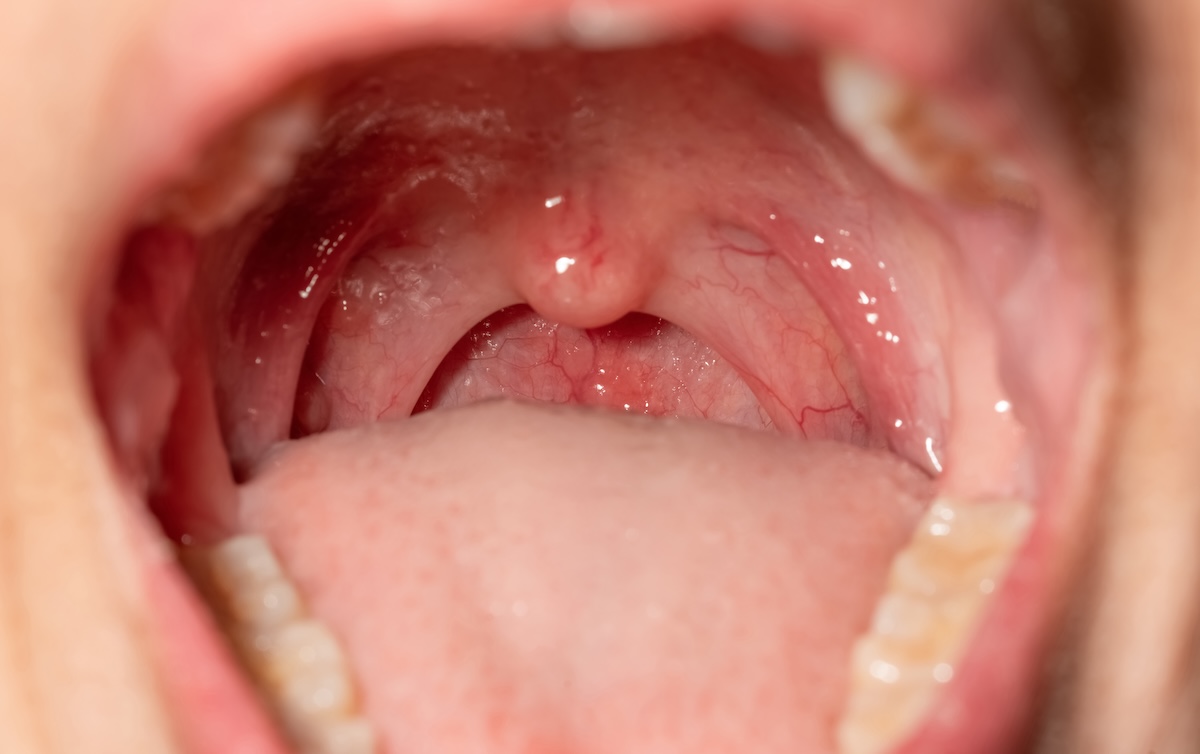
Feeling exhausted, achy, and just plain awful? You might be wondering if you’ve caught mononucleosis — commonly called “mono” or the “kissing disease.” Because it spreads through close contact, many people ask: Is mono a sexually transmitted disease (STD)?
The short answer is no — mono is not classified as an STD. However, because it spreads through saliva and intimate contact, it’s often confused with sexually transmitted infections. In this guide, we’ll explain what mono really is, how it spreads, and when testing for STDs may still be appropriate.
Key Takeaways
- Mono is not officially classified as an STD
- It is caused primarily by the Epstein-Barr virus (EBV)
- It spreads through saliva and close contact
- Symptoms include fatigue, sore throat, fever, and swollen lymph nodes
- Recovery takes 2–4 weeks, though fatigue can last longer
- STD testing may be recommended if symptoms overlap or exposure risk exists
What Is Infectious Mononucleosis?
Infectious mononucleosis is most commonly caused by the Epstein-Barr virus (EBV), part of the herpes virus family. By adulthood, about 90% of people have been exposed to EBV.
Mono is nicknamed the “kissing disease” because it spreads through saliva. However, saliva transmission does not make it an STD. Unlike infections such as chlamydia or gonorrhea, sexual contact is not required for transmission.
Is Mono an STD?
No. Mono is not listed among sexually transmitted infections by the CDC.
Here’s why:
- Primary transmission: Saliva, not sexual fluids
- Non-sexual spread: Sharing drinks, utensils, coughing
- Clinical classification: Not included in STD testing panels
However, because mono can spread during kissing or intimate contact, it may raise concerns similar to those associated with male STD symptoms or general STD symptoms.
How Mono Spreads
- Saliva exchange (kissing, sharing drinks)
- Respiratory droplets
- Close household contact
- Rarely, blood transfusions or organ transplants
Even after symptoms resolve, people may continue shedding EBV in saliva for months. This prolonged viral shedding is different from the transmission patterns of infections like herpes, which involve skin-to-skin contact and outbreaks.
Common Mono Symptoms

Primary Symptoms
- Extreme fatigue
- Sore throat
- Fever
- Swollen lymph nodes
- Headache
- Body aches
Less Common Symptoms
- Skin rash
- Swollen spleen
- Liver inflammation
- Night sweats
Because fatigue, fever, and swollen lymph nodes can also occur with viral STIs like HIV, testing may be appropriate if there has been recent sexual exposure.
Mono vs. STDs: What’s the Difference?
| Aspect | Mono | STDs |
|---|---|---|
| Primary transmission | Saliva | Sexual fluids / skin contact |
| Requires sexual contact | No | Usually yes |
| Included in STD panel | No | Yes |
| Treatment | Supportive care | Antibiotics or antivirals |
If symptoms follow sexual exposure and include genital sores, discharge, or painful urination, evaluation for STDs like chlamydia or gonorrhea is recommended.
Diagnosis
- Physical examination
- Monospot test
- EBV antibody test
- Complete blood count
If you’re unsure whether symptoms are mono or an STD, understanding how soon you can test after exposure helps ensure accurate results.
Treatment
There is no specific antiviral cure for mono. Treatment focuses on:
- Rest
- Hydration
- Pain relievers
- Avoiding sports during spleen enlargement
Unlike bacterial STDs, antibiotics are not effective for mono.
When Should You Get Tested?
If you experience symptoms after sexual contact — especially if they include:
- Genital discharge
- Painful urination
- Rashes in the genital area
- Sores or ulcers
— then STD testing is recommended.
A 10-panel STD test screens for the most common infections in one visit.
You can also find a confidential STD testing center near you for same-day appointments.
Bottom Line
Mono is not an STD — but it spreads through close contact and can sometimes be confused with sexually transmitted infections due to overlapping symptoms.
If you’re unsure whether your symptoms are mono or an STD, testing provides clarity and peace of mind.
FAQs
Can mono be spread through sex?
It can spread during sexual activity if saliva is exchanged, but it is not classified as a sexually transmitted disease.
Is mono included in STD panels?
No. Standard STD panels do not test for EBV.
Should I get STD tested if I think I have mono?
If you’ve had recent sexual exposure or have genital symptoms, testing is recommended to rule out infections such as chlamydia or gonorrhea.
Confidential, Private and Affordable STD Testing
Not sure when to test? Understanding your STD testing window period helps you get accurate results. When you're ready, find confidential STD testing clinics near you — same day appointments, no referral needed, results in 3 business days.