Understanding when syphilis symptoms appear can help you make informed decisions about testing and care. Syphilis symptoms typically show up 10 to 90 days after exposure, with most people noticing the first signs around 3 weeks after contact with the bacteria.
How Long Does It Take for Syphilis to Show Up After Exposure?
Syphilis symptoms typically appear 10 to 90 days after exposure, with an average of about 3 weeks. The first sign is usually a single, painless sore called a chancre at the site where the bacteria entered your body. For a full breakdown of detection windows across all STDs, see our STD testing window period guide.
The 10- to 90-Day Incubation Window
The incubation period for syphilis varies considerably from person to person. While the average time frame is around 21 days, some people notice symptoms as early as 10 days after exposure, while others may not see signs for up to 3 months.
| Timeline | What Happens |
|---|---|
| 10-21 days | Early symptom appearance possible |
| 3 weeks (21 days) | Average time for first symptoms |
| 21-90 days | Later symptom appearance range |
Why the Average Is About 3 Weeks
Most people develop their first syphilis sore around the 3-week mark because this represents the typical time needed for the Treponema pallidum bacteria to multiply and cause noticeable changes in the body. This timeline aligns with how the immune system responds to the infection.
Factors That Affect When Symptoms Appear
Several factors can influence how quickly syphilis symptoms develop. Your immune system’s current state plays a role—people with compromised immunity may see symptoms earlier or later than average. The amount of bacteria you were exposed to and the specific location where the bacteria entered your body can also affect timing.
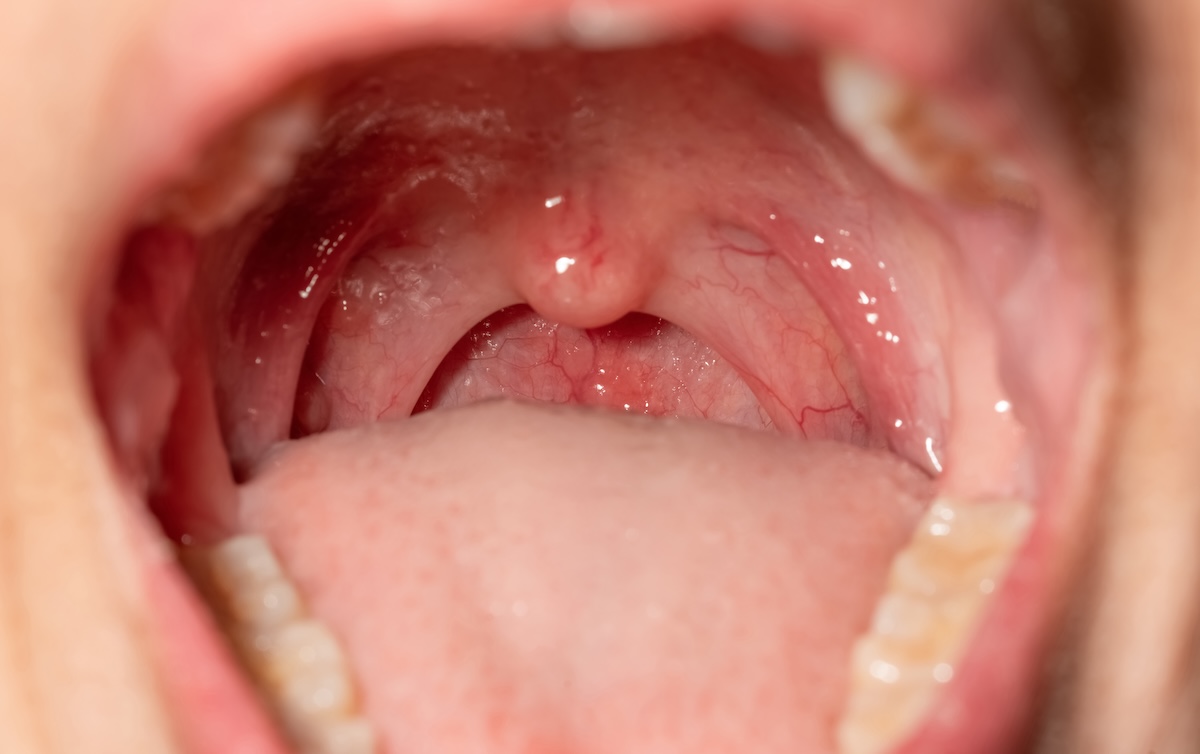
Many people never notice their first syphilis sore because it’s painless and may appear in hidden areas like inside the vagina, rectum, or mouth. The sore will heal on its own within 3-6 weeks, but the infection remains active in your body even without visible symptoms.
The Four Stages of Syphilis: Symptoms and Timelines
Syphilis progresses through four distinct stages, each with its own timeline and characteristics. Understanding these stages helps explain why timing matters for testing and treatment decisions.
Stage 1: Primary Syphilis (10–90 Days After Exposure)
Primary syphilis begins with the appearance of one or more painless sores called chancres. These sores develop at the exact spot where the bacteria entered your body during sexual contact. The sore usually lasts 3 to 6 weeks and heals on its own, even without treatment.
The chancre is typically small, firm, and round. You might mistake it for a pimple or other minor skin issue. Because it doesn’t hurt, many people don’t realize they have it, especially if it’s located internally.
Stage 2: Secondary Syphilis (3–6 Weeks After Primary Sore)
Secondary syphilis usually develops 3-6 weeks after the primary sore appears or heals. The hallmark of this stage is a distinctive rash that often appears on the palms of your hands and soles of your feet—areas where rashes from other conditions rarely appear.
Along with the rash, you may experience flu-like symptoms including fever, fatigue, sore throat, and swollen lymph nodes. These symptoms can come and go for months or years if left untreated. Our STD symptoms timeline explains how syphilis symptoms compare to other infections over time.
Stage 3: Latent Syphilis (Months to Years — No Visible Symptoms)
During latent syphilis, all visible symptoms disappear, but the bacteria remain active in your body. This “hidden” stage can last for years. Doctors divide latent syphilis into early latent (less than 1 year after infection) and late latent (more than 1 year after infection).
Stage 4: Tertiary Syphilis (10–30 Years if Untreated)
Tertiary syphilis affects major organs including the heart, brain, nervous system, and bones. This stage occurs in 20-40% of people who don’t receive treatment. The complications can develop 10-30 years after the initial infection.
It’s worth noting that neurosyphilis, ocular syphilis, and otosyphilis can occur at any stage, not just during tertiary syphilis.
What Does Syphilis Look Like? Symptoms in Men and Women
Syphilis symptoms can appear differently in men and women, though the underlying infection follows the same pattern. Location and visibility often determine whether people notice their symptoms.
Syphilis Symptoms in Men
In men, the primary chancre commonly appears on the penis, scrotum, or around the anus. Because these areas are more easily visible during routine hygiene, men may be more likely to notice the sore. The secondary rash typically appears on the palms, soles, and torso in men, just as it does in women.
Syphilis Symptoms in Women
Syphilis in women often goes undetected because the chancre may develop inside the vagina or on the cervix, making it invisible during daily activities. This hidden location explains why women sometimes don’t realize they have syphilis until the secondary stage appears.
Contrary to common questions, syphilis itself doesn’t typically cause vaginal discharge. If you notice unusual discharge along with other symptoms, you might have a co-infection with another STI like chlamydia or gonorrhea.
What Does a Syphilis Sore (Chancre) Look Like?
A syphilis chancre appears as a small, firm, round sore that doesn’t hurt. It may resemble a pimple initially but feels harder to the touch. Most people develop just one chancre, though multiple sores can occur. The sore may produce a small amount of clear fluid but typically remains dry.
What Does the Syphilis Rash Look Like?
The secondary syphilis rash consists of rough, red, or reddish-brown spots that don’t itch. Unlike many other rashes, this one commonly appears on the palms of your hands and soles of your feet. The rash can spread across your entire body but may be so faint that it’s easy to overlook. Recognizing these signs alongside other STD warning signals is important — here’s how to identify early signs of STDs after exposure.
How Contagious Is Syphilis and How Is It Transmitted?
Understanding how syphilis spreads helps clarify why timing matters for testing and partner notification. Syphilis spreads through direct contact with syphilis sores during sexual activity.
How Syphilis Spreads During Sexual Contact
Syphilis transmission occurs when your skin or mucous membranes come into direct contact with a syphilis sore during vaginal, anal, or oral sex. You’re most contagious during the primary and secondary stages when sores and rashes are present.
Can You Get Syphilis From Kissing or Casual Contact?
Kissing can transmit syphilis if there’s contact with an oral sore, though this is less common than sexual transmission. However, you cannot get syphilis from toilet seats, doorknobs, swimming pools, shared clothing, or other casual contact with objects.
Congenital Syphilis: Risks During Pregnancy
Pregnant people can pass syphilis to their baby through the placenta or during birth. Congenital syphilis can cause stillbirth, low birth weight, and serious health problems in newborns, which is why prenatal screening is standard care.
Risk Factors: Who Is Most Likely to Get Syphilis?
Anyone who’s sexually active can contract syphilis, but certain factors may increase your likelihood of exposure. Men who have sex with men (MSM) statistically have higher rates of syphilis, as do people with multiple sexual partners or those who have other STIs like HIV, gonorrhea, or chlamydia.
Unprotected sex significantly increases transmission risk. CDC data shows syphilis rates rising across all demographics, including concerning increases in congenital syphilis cases. People living with HIV face additional considerations — learn more about HIV detection timelines if co-infection is a concern.
Social and economic factors, including limited healthcare access and stigma around STI testing, contribute to disparities in infection rates across different communities.
Diagnosis and Testing: How Do You Check for Syphilis?
Syphilis testing involves blood tests that detect antibodies your body produces in response to the infection. Understanding testing timelines helps you choose the right time to get tested.
Blood Tests for Syphilis
Healthcare providers use several blood tests to diagnose syphilis, including RPR (Rapid Plasma Reagin), VDRL (Venereal Disease Research Laboratory), and FTA-ABS (Fluorescent Treponemal Antibody Absorption) tests. These tests detect antibodies that your immune system creates when fighting the syphilis bacteria.
How Long After Exposure Can a Test Detect Syphilis?
Blood tests can usually detect syphilis antibodies around 3–6 weeks after infection, with nearly all cases detectable by 12 weeks. This testing window is different from the symptom timeline—symptoms may appear before a test can reliably detect the infection. Our STD testing timeline chart shows the optimal windows for syphilis and every other major STD.
If you suspect recent exposure, consider testing early and then retesting at the 12-week mark for the most accurate results. If you’re ready to test, you can find STD testing near you for confidential screening and treatment.
At-Home Syphilis Test Kits
At-home test kits are available and typically involve a finger-prick blood sample that you send to a laboratory. While convenient, positive results from home tests should be confirmed with a healthcare provider who can also test for other STIs and provide appropriate treatment.
When Should You Get Tested?
Consider testing if you have symptoms, if a partner tests positive, if you have multiple partners, or if you’re pregnant. Wondering which STDs can be detected the fastest? Syphilis has a longer testing window than some bacterial infections, so timing your test correctly matters. Many sexual health clinics, Planned Parenthood locations, and local health departments offer free or low-cost testing options.
Treatment and Cure: Is Syphilis Curable?
Yes, syphilis is completely curable with antibiotic treatment. Understanding treatment timelines helps set expectations for recovery and return to normal activities.
Penicillin: The Standard Syphilis Treatment
Penicillin G (Bicillin) remains the preferred treatment for syphilis at all stages. For early-stage syphilis (primary and secondary), a single intramuscular injection often cures the infection completely.
How Long Does Syphilis Take to Cure After Injection?
The penicillin injection begins working immediately, but you should wait at least 7-14 days (and until all sores are completely healed) before resuming sexual activity. Late-stage or latent syphilis may require three weekly injections over 3 weeks.
| Syphilis Stage | Treatment | Timeline to Cure |
|---|---|---|
| Primary/Secondary | Single penicillin injection | 7-14 days |
| Latent/Late | Three weekly injections | 3 weeks |
Alternative Antibiotics (Doxycycline)
For people allergic to penicillin, doxycycline provides an effective alternative. Treatment courses are longer, typically lasting 14-28 days depending on the stage of infection.
Can You Spread Syphilis After Treatment?
After completing antibiotic treatment, you’re no longer contagious once sores heal completely. However, you can be re-infected through new sexual exposure—previous treatment doesn’t provide immunity against future infections.
Follow-up blood tests at 6 and 12 months confirm that the infection is cleared. Some people experience a temporary worsening of symptoms within 24 hours of treatment (Jarisch-Herxheimer reaction), which is a normal immune response.
Complications of Untreated Syphilis
Without treatment, syphilis can affect multiple organ systems over time. Understanding potential complications explains why early detection and treatment matter.
Neurological Damage (Neurosyphilis)
Neurosyphilis can cause headaches, difficulty with muscle coordination, paralysis, and changes in mental function. These neurological effects can occur at any stage of syphilis, not just in the late stages.
Cardiovascular Complications
Cardiovascular syphilis may lead to aortic aneurysm and heart valve damage. These complications typically develop years after the initial infection.
Ocular and Hearing Problems
Ocular syphilis can cause vision changes and blindness, while otosyphilis can result in hearing loss and tinnitus (ringing in the ears). Both conditions can occur at any stage of the infection.
Complications During Pregnancy (Congenital Syphilis)
Untreated syphilis during pregnancy can cause stillbirth, low birth weight, bone deformities, jaundice, and neurological problems in newborns. These complications occur years to decades after initial infection in adults but can affect babies immediately.
Prevention: How to Reduce Your Risk of Syphilis
Several strategies can help reduce your risk of syphilis transmission. Understanding these options allows you to make informed choices about your sexual health.
Using Condoms and Dental Dams
Consistent and correct condom use during vaginal, anal, and oral sex reduces transmission risk, though it doesn’t eliminate it entirely. Syphilis sores outside the area covered by a condom can still transmit the infection.
Regular STI Screening
Regular testing, especially with new partners or multiple partners, helps identify infections before symptoms appear. Many people with syphilis don’t notice their symptoms, making routine screening valuable.
Partner Communication and Notification
Open communication with partners about STI status and recent testing helps everyone make informed decisions. If you test positive for syphilis, notifying recent partners allows them to get tested and treated if needed.
Doxycycline post-exposure prophylaxis (Doxy-PEP) is an emerging prevention strategy being studied for high-risk populations. Discuss this option with a healthcare provider if you think it might be relevant for your situation.
Latest Research and Education on Syphilis
Current research focuses on addressing rising syphilis rates and developing new prevention tools. The CDC reports syphilis rates at their highest levels in decades, with congenital syphilis cases increasing dramatically across the United States.
Ongoing research includes studies on syphilis vaccines and improved rapid diagnostic tests. Public health campaigns emphasize reducing stigma around STI testing and increasing access to care in affected communities.
Emerging studies on Doxy-PEP as preventive treatment for high-risk populations show promise for reducing transmission rates. Sexual health education in schools and community settings remains important for prevention efforts.
Frequently Asked Questions
How long does it take for syphilis to show up on a test?
Blood tests can detect syphilis antibodies as early as 3-4 weeks after exposure, but for the most accurate results, wait at least 12 weeks. If you suspect recent exposure, test early and then retest at the 12-week mark. Swab tests of active sores can provide earlier results than blood tests.
Can you have syphilis for years without knowing?
Yes, syphilis can enter a latent stage where there are no visible symptoms for years or even decades. The bacteria remain in the body and can still affect your health during this time. This is why regular screening is helpful, especially if you have risk factors for STI exposure.
What does syphilis discharge look like in females?
Syphilis itself typically doesn’t cause vaginal discharge. The chancre sore may produce a small amount of clear fluid, but unusual discharge usually indicates a different STI such as chlamydia or gonorrhea. If you notice unusual discharge, consider comprehensive STI testing to identify any co-infections.
How long after syphilis treatment are you no longer contagious?
After completing antibiotic treatment, wait at least 7 days (and until all sores are fully healed) before resuming sexual activity. Follow-up blood tests at 6 and 12 months confirm the infection is cleared. You can be re-infected if exposed again, as previous treatment doesn’t provide immunity.
Can syphilis come back after treatment?
Syphilis doesn’t come back on its own after successful treatment. However, you can be re-infected through new sexual exposure to an infected partner. Previous treatment doesn’t provide immunity against future infections, so regular testing and prevention practices remain important after cure.
Understanding syphilis timelines helps you make informed decisions about testing and care. If you’re ready to get tested, you can find free STD testing clinics near you for confidential screening and straightforward treatment.
Confidential, Private and Affordable STD Testing
Not sure when to test? Understanding your STD testing window period helps you get accurate results. When you're ready, find confidential STD testing clinics near you — same day appointments, no referral needed, results in 3 business days.