The HIV RNA test window period is shorter than any other HIV test available. While standard antibody tests can take weeks or months to show a result, the RNA test — also called a Nucleic Acid Test or NAT — looks directly for the virus itself and can detect HIV as early as 10 to 33 days after exposure. If you’re trying to understand when to test and what your results mean, this page walks you through everything clearly.
HIV testing timing matters because every test type has a window period — the gap between exposure and when a test can reliably detect infection. For a broader look at how this applies across all STDs, the STD Testing Windows Guide covers window periods for the full range of tests. For HIV specifically, the RNA test sits in a category of its own when it comes to early detection.
What Is the HIV RNA/NAT Test?
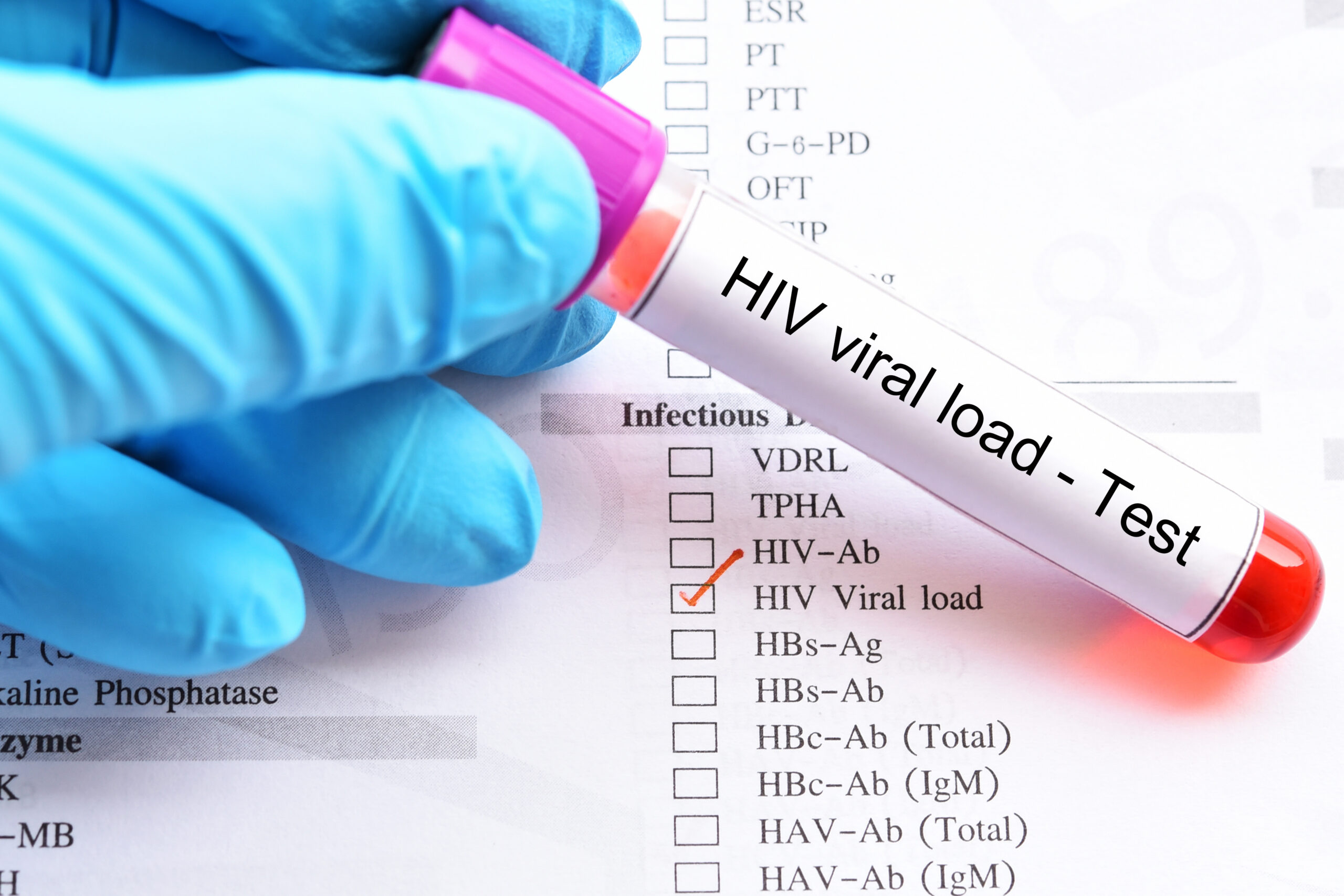
The HIV RNA test — also referred to as a Nucleic Acid Test (NAT) or PCR test — works differently from standard HIV tests. Instead of looking for your body’s immune response to the virus, it looks for the genetic material of HIV itself in your blood.
This distinction matters a great deal for timing. Antibody tests depend on your immune system producing detectable antibodies, which takes time. The RNA test skips that step entirely and targets the virus directly, which is why it can detect infection so much earlier.
If you think you may have been exposed recently, an HIV early detection test using RNA technology is the option that gives you the earliest possible answer.
The HIV RNA Test Window Period Explained
The window period for the HIV RNA test is generally 9 to 11 days after exposure, though most testing guidelines cite a detection range of 10 to 33 days. Within that window, the virus needs to reach a level in your bloodstream that the test can reliably identify.
At around 10 to 14 days post-exposure, accuracy reaches approximately 95% or higher. By 28 days, the test becomes highly conclusive. If you test before 10 days, the result is less reliable — not because the test is flawed, but because viral levels may still be too low to detect.
Is the HIV RNA Test Accurate After 5 Days?
Testing at 5 days after exposure is too early for a reliable result. Research indicates there’s currently no evidence supporting HIV RNA testing less than 7 days post-exposure. A study on tests with a sensitivity of 20 copies/mL found that RNA tests could detect infection about 7 days earlier than a p24 antigen/antibody test — placing practical detection at around 14 days or later for most people.
In short, a negative result before 7 days carries very little meaning. Waiting at least 10 days — and ideally 14 — gives you a result you can actually rely on.
How Early Can HIV RNA Be Detected?
Under optimal conditions, RNA tests can detect HIV as early as 9 to 11 days after exposure. At that point, the virus has replicated enough to cross the detection threshold. However, “can detect” and “will reliably detect” aren’t the same thing at that early stage.
The 4th generation HIV test — which detects both HIV antibodies and the p24 antigen — can identify infection as early as 14 days post-transmission. The RNA test can push that window back a bit further, but both require a minimum amount of time to pass before results are meaningful.
How the HIV RNA Test Compares to Other HIV Tests
There are three main types of HIV tests, and each has a different window period. Understanding how they differ helps you choose the right test for your situation.
| Test Type | What It Detects | Window Period | Notes |
|---|---|---|---|
| HIV RNA/NAT Test | HIV genetic material (RNA) | 10–33 days | Shortest window period; most useful for very recent exposures |
| 4th Generation Antigen/Antibody Test (lab) | HIV antibodies + p24 antigen | 18–45 days | Standard recommended test; highly accurate |
| 4th Generation Rapid Test (finger stick) | HIV antibodies + p24 antigen | 18–90 days | Convenient but longer window than lab version |
| 3rd Generation Antibody Test | HIV antibodies only | 23–90 days | Older test type; longer window period |
| Antibody-Only Rapid Test | HIV antibodies only | 23–90 days | Common in home testing kits |
The RNA test has the shortest window period of any available HIV test. That’s why it’s the preferred option when someone is concerned about a very recent exposure — typically within the first two weeks.
For a detailed comparison of the 4th generation test’s accuracy and how it sits alongside the RNA test, the 4th generation HIV test accuracy page goes through that in full.
Which HIV Test Has the Shortest Window Period?
The NAT/RNA test has the shortest window period of any currently available HIV test. According to Cleveland Clinic, it can detect HIV infection from 10 to 33 days after exposure — earlier than any antibody-based test.
The reason comes down to biology. After exposure, the virus starts replicating rapidly before your immune system responds. The RNA test catches this replication phase directly, which is why it detects infection before antibodies even begin to form.
Is 4 Weeks Too Early for an HIV Test?
Four weeks is not too early — it depends on which test you’re using. At 4 weeks (28 days), the RNA test is highly reliable and approaching conclusive. A 4th generation antigen/antibody lab test using blood from a vein can detect HIV 18 to 45 days after exposure, so 28 days falls within its reliable range as well.
A rapid antigen/antibody test done with a finger stick has a window of 18 to 90 days, so 4 weeks is still usable, though earlier in that range. The RNA test gives you the most confidence at the 4-week mark of any option available.
How Accurate Is the HIV RNA Test?
The HIV RNA test has a sensitivity of more than 99%, meaning it correctly identifies HIV in over 99% of people who are infected — provided they test after the window period has passed. That’s among the highest accuracy rates of any HIV diagnostic tool.
Accuracy does drop if testing happens too early. Between 9 and 11 days, accuracy sits around 95% to 99%. After 28 days, the result is considered highly conclusive. Testing before 7 days offers very limited diagnostic value regardless of the result.
Which HIV Test Is 100% Accurate?
No initial screening test is 100% accurate in isolation. When a positive RNA or antigen/antibody test comes back, it’s typically followed by a confirmatory test. The Western Blot test — which looks for immune responses to specific HIV proteins — is considered 100% accurate as a confirmatory tool.
This two-step process — screening followed by confirmation — is how HIV diagnosis works in practice. A single positive result on any screening test leads to further testing before a definitive diagnosis is made.
Can the HIV RNA Test Give a False Negative?
Yes, a false negative is possible, and it’s almost always related to testing timing. If you test during the eclipse phase — the very early period after exposure when viral levels are too low to detect — even the RNA test will return a negative result even if infection has occurred.
The CDC recommends additional testing using a qualitative HIV-1 RNA NAT to confirm or rule out HIV infection in cases where acute infection is suspected. Testing too early is the primary reason false negatives occur with this test.
A negative result before 10 days shouldn’t be treated as definitive. If exposure was recent, testing again at 14 days and then again at 45 days or beyond provides more complete information.
What Level of HIV RNA Is Considered Undetectable?
This question comes up most often in the context of people already diagnosed with HIV who are monitoring their viral load on treatment, rather than in initial testing. In the United States, an HIV RNA viral load below 20 copies per milliliter (copies/mL), measured by nucleic acid amplification technology, is the current standard definition of undetectable.
This threshold has shifted over the years as testing technology has improved. Some labs use thresholds of 40 or 50 copies/mL depending on the equipment. For someone undergoing early detection testing — not ongoing viral load monitoring — this threshold isn’t directly relevant. The detection question shifts: the test looks for whether the virus is present at all, not at what level it’s being managed.
Is the 6-Month HIV Window Period Outdated?
Yes — for modern tests, the 6-month window period is outdated. That figure comes from older antibody-only tests that took much longer to detect infection reliably. Today’s 4th generation tests have a window period of 45 days or less when using a lab blood draw, and the RNA test’s window is even shorter.
Current testing guidelines generally consider 45 days (about 6 weeks) to be a reliable endpoint for 4th generation antigen/antibody lab tests. For the RNA test, 28 days is considered highly conclusive by most clinical standards. Testing at 3 months is still sometimes recommended as an extra layer of confirmation, but the 6-month timeframe no longer reflects the capabilities of current diagnostics.
Who Should Consider the HIV RNA Test Over a Standard Antibody Test?
The RNA test makes the most sense when the timing of a potential exposure is very recent — typically within the first 2 weeks. Antibody tests can’t reliably pick up infection at that stage, so they don’t give you useful information that early.
A few situations where the RNA test is typically the more appropriate option:
- You believe exposure happened within the last 10 to 14 days
- You’re experiencing symptoms consistent with acute HIV infection and want to test early
- A standard antibody test came back negative but the exposure was very recent
- A healthcare provider has recommended ruling out acute infection specifically
For most people testing weeks or months after a potential exposure, a 4th generation antigen/antibody test provides the same high level of accuracy and is the standard recommended approach.
What Happens After a Positive HIV RNA Test Result?
A positive result on an RNA test is not the endpoint — it’s the beginning of a clinical process. Because no single screening test is treated as a final diagnosis, a positive RNA result leads to confirmatory testing. This usually involves a follow-up antigen/antibody test and potentially a Western Blot to confirm the result.
During this process, connecting with a healthcare provider is the clear next step. Confirmatory testing, interpretation of results, and any next steps all happen through that conversation. A positive screening result, while significant, is part of a process — not a standalone conclusion.
When to Test: A Practical Timeline
If you’re trying to figure out when the right time to test is, here’s a practical way to think about the timeline after a potential exposure:
- Before 7 days: No reliable HIV test exists at this point. RNA testing before this window carries no diagnostic value.
- 7 to 10 days: RNA testing becomes possible, but sensitivity is still building. Results are not yet fully reliable.
- 10 to 14 days: The RNA test’s optimal early window. Accuracy reaches 95% or above. This is the earliest meaningful testing point.
- 18 to 45 days: A 4th generation antigen/antibody lab test becomes highly reliable during this period. The RNA test is also highly accurate here.
- 28 days and beyond: RNA test results are considered highly conclusive. Many providers treat 28-day RNA results as definitive for ruling out acute infection.
- 45 to 90 days: 4th generation antigen/antibody tests reach their highest accuracy. A negative result here is considered conclusive by most clinical standards.
Confidential, Private and Affordable STD Testing
Not sure when to test? When you’re ready, find confidential STD testing clinics near you – same day appointments, no referral needed, results in 3 business days.
Frequently Asked Questions
What is the HIV RNA test window period?
The HIV RNA test window period is approximately 9 to 11 days after exposure, with a detection range cited by the CDC of 10 to 33 days. At 10 to 14 days, accuracy is around 95% or higher. By 28 days, the test is considered highly conclusive.
Is the HIV RNA test accurate after 5 days?
No. There’s currently no research supporting HIV RNA testing before 7 days post-exposure. At 5 days, viral levels are generally too low for the test to detect, and a negative result at that point has very little diagnostic meaning. Waiting until at least 10 days gives you a result worth interpreting.
Which HIV test has the shortest window period?
The HIV RNA/NAT test has the shortest window period of any available HIV test, detecting infection as early as 10 days after exposure. By comparison, 4th generation antigen/antibody tests have a window of 18 to 45 days when using a lab blood draw, and antibody-only tests have windows of 23 to 90 days.
Can the HIV RNA test give a false negative?
Yes, if testing happens before the window period has passed. Testing during the eclipse phase — the early period when viral levels are too low to detect — can produce a false negative even in someone who has been infected. This is why testing timing matters as much as test type.
Is a 4-week HIV RNA test conclusive?
At 28 days, an HIV RNA test is considered highly conclusive by most clinical standards. Many providers treat a negative RNA test at this point as a reliable indicator that infection has not occurred. Some guidelines still suggest a follow-up antibody test at 45 to 90 days as additional confirmation, particularly for peace of mind.
Is the 6-month HIV window period still relevant?
For modern testing, the 6-month window is outdated. It applied to older antibody-only tests. Today’s 4th generation lab tests have a window period of 45 days or less, and the RNA test’s window is 33 days at most. The 6-month figure no longer reflects current test technology.
How accurate is the HIV RNA test overall?
The HIV RNA test has a sensitivity of more than 99%, meaning it correctly identifies over 99% of people who are infected — when tested after the window period. Accuracy at 9 to 11 days is around 95% to 99%. After 28 days, the test is highly reliable for ruling out infection following a potential exposure.
Understanding the HIV RNA test window period takes a lot of the uncertainty out of the picture. The test is precise, it detects infection earlier than any other option, and its accuracy is very high when used at the right time. Whatever your situation, knowing when to test — and which test fits that timing — puts you in a much clearer position.
Confidential, Private and Affordable STD Testing
Not sure when to test? Understanding your STD testing window period helps you get accurate results. When you're ready, find confidential STD testing clinics near you — same day appointments, no referral needed, results in 3 business days.