What Is Genital Herpes?
Genital herpes is a common sexually transmitted infection (STI) caused by the herpes simplex virus (HSV) — usually HSV-2, though HSV-1 (the oral herpes strain) can also cause genital infections. Once infected, the virus stays in the body permanently, alternating between active outbreaks and periods of dormancy.
Genital herpes spreads easily through skin-to-skin contact during vaginal, anal, or oral sex — even when no visible sores are present. Although it cannot be cured, antiviral medications can manage symptoms, reduce outbreak frequency, and lower the risk of transmission.

Did you know? More than half of all new genital herpes cases are caused by HSV-1 — the same virus responsible for cold sores.
Genital Herpes Symptoms and Causes
What are the symptoms of genital herpes?
Many people with herpes have mild or no noticeable symptoms, which means the infection often goes undiagnosed. When symptoms do occur, they typically appear 2 to 12 days after exposure and may include:
During an outbreak:
- Painful blisters or open sores on the genitals, anus, buttocks, or thighs
- Burning or tingling sensations before sores appear
- Pain during urination
- Flu-like symptoms (fever, body aches, swollen lymph nodes)
Recurrent outbreaks are usually milder and shorter than the first episode, but they can still be contagious.
How is genital herpes spread?
Genital herpes is transmitted through direct contact with infected skin, mucous membranes, or bodily fluids, including:
- Vaginal, anal, or oral sex with an infected partner
- Skin-to-skin contact with infected areas, even if sores are not visible
- From mother to baby during childbirth (neonatal herpes)
The virus spreads most easily during an active outbreak but can also spread during asymptomatic viral shedding — when no symptoms are present.
Genital Herpes Statistics
Who is most at risk for genital herpes?
Genital herpes affects millions of people worldwide. In the U.S., about 1 in 6 adults aged 14–49 has genital HSV-2. Those most at risk include:
- Individuals with multiple sexual partners
- People who engage in unprotected sex
- Anyone with a history of other STIs
- Women, who are biologically more susceptible to HSV-2 infection
- People whose partners have known herpes infections
Routine STI screening and open partner communication are key to prevention.
Genital Herpes Incidence by Age and Sex (U.S., 2023)
According to the CDC:
- Overall prevalence: ~12% of adults (ages 14–49)
- Women: ~15% prevalence
- Men: ~8% prevalence
- Age group most affected: 25–34 years old
- New infections per year: Over 500,000 in the U.S.
Although rates have stabilized in recent years, underdiagnosis remains common due to asymptomatic cases.
Genital Herpes Treatment
While there is no cure for herpes, several antiviral medications effectively manage the infection and reduce transmission:
Common medications include:
- Acyclovir (Zovirax)
- Valacyclovir (Valtrex)
- Famciclovir (Famvir)
Treatment approaches:
- Episodic therapy: Taken at the first sign of an outbreak to shorten duration.
- Suppressive therapy: Daily medication to prevent frequent recurrences and lower transmission risk.
Self-care tips:
- Keep affected areas clean and dry.
- Avoid touching sores and wash hands often.
- Abstain from sexual contact during outbreaks.
- Use condoms consistently to reduce (but not eliminate) risk.
For pregnant individuals with herpes, antiviral therapy near delivery can reduce the chance of transmitting HSV to the newborn.
Genital Herpes FAQs
What can be mistaken for herpes?
Cold sores, canker sores, insect bites, and other skin irritations are often mistaken for herpes because they can cause similar-looking blisters or sores. If you’re unsure about a sore or rash, getting tested by a healthcare provider is the best way to confirm the cause and get the right treatment.
Has anyone ever got rid of genital herpes?
While there is currently no cure for genital herpes, antiviral medications can help manage outbreaks and reduce the risk of transmission. Many people live healthy, normal lives by effectively controlling symptoms and taking preventive measures.
What does genital herpes look like?
Genital herpes usually appears as small, painful blisters or sores on or around the genitals, buttocks, or thighs. These blisters can break open, leaving tender ulcers that heal within a few weeks. Symptoms may come and go, but the virus remains in the body even when sores aren’t visible.
How do I confirm I have genital herpes?
The most reliable way to confirm if you have genital herpes is to get tested by a healthcare professional, who may take a sample from any sores or perform a blood test. If you notice symptoms like painful blisters or sores, seeking medical advice early can help with accurate diagnosis and effective management.
What cream is good for herpes?
Antiviral creams containing acyclovir or penciclovir are commonly used to help reduce herpes symptoms and speed up healing. While these topical treatments can ease discomfort, oral antiviral medications prescribed by a healthcare provider are often more effective for managing outbreaks.
Do herpes pop like pimples?
Herpes sores do not pop like pimples; they usually start as small blisters that eventually break open and form painful ulcers before healing. It’s best to avoid touching or trying to pop them to prevent infection and speeding up healing.
What soap is good for herpes outbreak?
Using a gentle, fragrance-free soap like Cetaphil or Dove sensitive skin bar is best during a herpes outbreak to avoid irritation. Avoid harsh or antibacterial soaps, as they can dry out and worsen the affected skin. Keeping the area clean and dry helps promote healing and comfort.
How do you keep herpes dormant?
Managing stress, getting enough rest, and maintaining a healthy immune system can help keep herpes dormant. Antiviral medications prescribed by a doctor also effectively reduce outbreaks and lower the risk of transmission.
Can herpes be just one bump?
Yes, herpes can sometimes appear as just one small bump or blister. It often starts as a single sore that may be painless or slightly itchy before developing into multiple lesions. If you notice any unusual bumps, it’s a good idea to get tested for an accurate diagnosis and peace of mind.
Confidential, Private and Affordable STD Testing?
Order a full 10 test STD screening panel now for just $139. Individual STD tests starting at just $24.

Latest Blog Posts
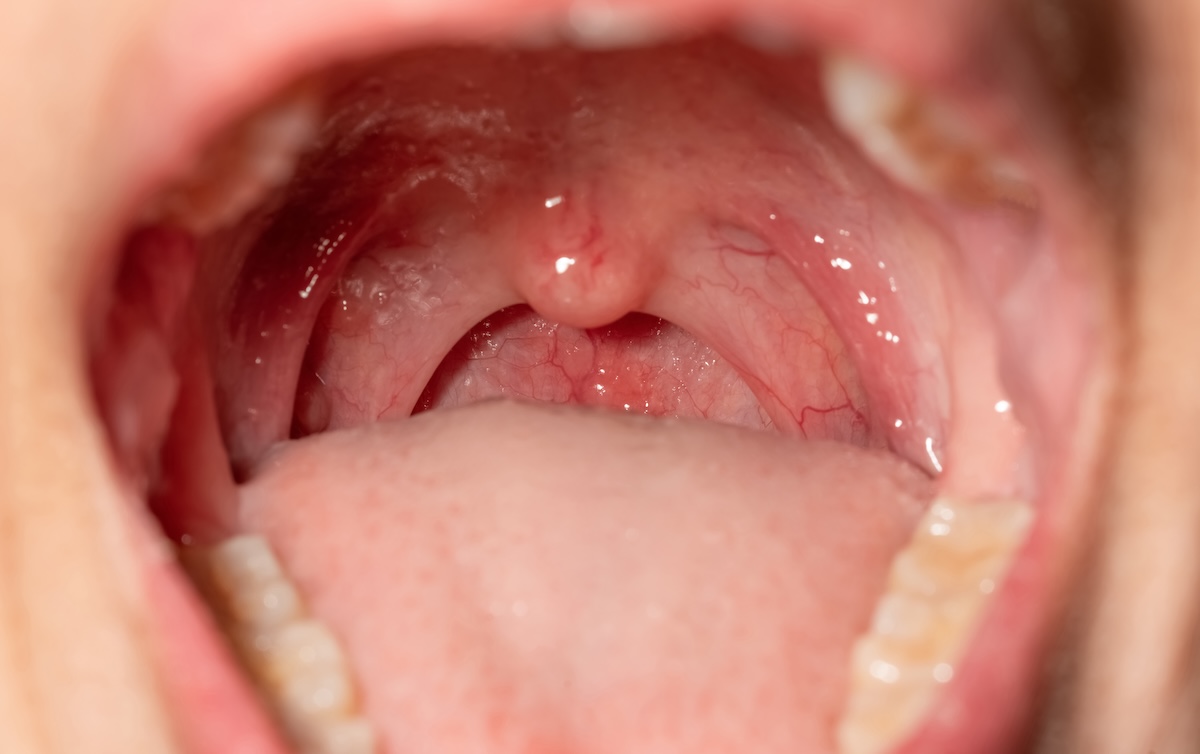
Oral STD Symptoms: Mouth, Tongue & Throat Signs
STD Symptoms in Women: What to Watch For