
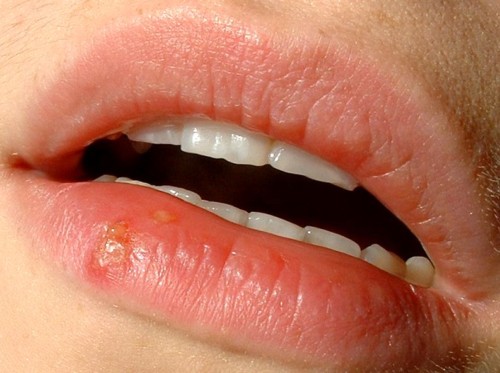
Kissing is one of the most common forms of physical contact, and it’s natural to wonder what, if anything, can be passed through it. The short answer is that some STDs can spread through kissing, though the level of transmission varies quite a bit depending on the infection. Understanding which ones and under what circumstances can help you feel more informed and less uncertain.
Most STDs require direct contact with genital fluids or blood to spread, which means kissing carries a much lower overall transmission potential than unprotected sex. That said, a few infections — particularly herpes and syphilis — are genuinely transmissible through oral contact. Knowing how STDs spread helps put the specifics in context.
Which STDs Can Be Passed Through Kissing?
The list of STDs that can spread through kissing is shorter than many people expect. The two most commonly discussed are oral herpes (HSV-1) and syphilis. A few others have a more limited or situational connection to kissing.
Herpes (HSV-1)
Oral herpes, caused by herpes simplex virus type 1, is the infection most commonly linked to kissing. HSV-1 spreads through direct skin-to-skin contact with the mouth area. Transmission can happen even when no visible cold sore is present, though the likelihood is higher when an active sore exists.
HSV-1 is extremely common — estimates suggest more than half of adults in the US carry the virus, many of whom contracted it during childhood through non-sexual contact. This context is worth keeping in mind. If you’ve kissed someone and are now wondering about your exposure, find a testing location near you to get clarity.
Syphilis
Syphilis can spread through kissing if one person has an active sore (called a chancre) on or around the mouth. These sores are highly infectious. Kissing someone without visible sores carries a much lower transmission potential, but it’s not impossible if sores are present in the throat or in a location that’s not immediately visible.
Syphilis rates have been rising in the US over the past decade. According to CDC data, reported cases of primary and secondary syphilis increased more than 80% between 2018 and 2022, making it more relevant to consider than it once was.
Gonorrhea
Gonorrhea is primarily associated with genital and anal transmission, but throat infections (pharyngeal gonorrhea) are possible and do occur. The question of whether gonorrhea can spread through kissing has gained attention in recent years. Some research, including studies out of Australia, has suggested that deep kissing may be a route of transmission for throat gonorrhea, though this isn’t yet considered an established primary route.
If you’ve been wondering about other ways STDs spread without sex, gonorrhea through kissing falls into that category — possible but less common than through sexual contact.
HPV and CMV
Some strains of HPV have been detected in saliva, and there is a theoretical connection to kissing, though the evidence for oral transmission through casual contact is limited. Cytomegalovirus (CMV) does spread through saliva and can be transmitted through kissing, though it’s typically mild in otherwise healthy adults.
Can STDs Pass Through Saliva Alone?
Saliva itself is generally a poor medium for most STDs. HIV, for example, is not transmitted through saliva under normal circumstances. The virus is present in saliva in very low concentrations, and saliva contains proteins that inhibit HIV. Casual kissing carries no meaningful transmission risk for HIV.
For infections like herpes and syphilis, it’s the direct contact with infected tissue or sores — not saliva floating in the air or shared on objects — that creates a transmission pathway. The distinction matters because it helps clarify when actual risk exists versus when concern isn’t warranted.
Does the Type of Kiss Matter?
Yes, to some extent. A brief closed-mouth kiss on the lips involves very little mucous membrane contact, which means minimal exposure to most pathogens. Deep or open-mouth kissing (sometimes called French kissing) involves more direct contact between oral tissues and more saliva exchange, which slightly increases the theoretical exposure for infections like herpes and gonorrhea.
Kissing on the cheek carries essentially no STD transmission risk. The skin on the cheek isn’t a mucosal surface, and most STDs require contact with mucous membranes or open sores to establish infection.
What Do Oral STD Symptoms Look Like?
Some people want to know what signs, if any, might appear in or around the mouth after an oral exposure. The honest answer is that many infections produce no noticeable symptoms at all, which is exactly why testing provides more clarity than symptom-checking.
When symptoms do appear, they can include:
- Cold sores or blisters around the lips or mouth (often associated with HSV-1)
- A painless sore or ulcer on the lips, tongue, or inside the cheeks (associated with syphilis)
- Sore throat or discomfort that doesn’t resolve (can be associated with pharyngeal gonorrhea)
- White patches or unusual spots in the mouth (associated with several infections)
None of these symptoms are specific enough to confirm any particular infection on their own. A test is the only way to know for certain what’s going on.
STD Transmission Through Kissing: A Quick Reference
| STD | Transmissible Through Kissing? | Conditions That Increase Likelihood | Notes |
|---|---|---|---|
| Herpes (HSV-1) | Yes | Active cold sore present | Can also spread without visible symptoms |
| Syphilis | Yes, with active sores | Visible mouth sore (chancre) | No sore present significantly reduces likelihood |
| Gonorrhea | Possibly, through deep kissing | Throat infection in one partner | Evidence emerging but not fully established |
| HIV | No | Not applicable | Saliva inhibits HIV; no documented kissing transmission |
| HPV | Theoretically possible | Unclear | Evidence for kissing transmission is limited |
| Chlamydia | No | Not applicable | Requires genital fluid contact |
How Much Saliva Does It Take to Transmit an STD?
For most STDs, the quantity of saliva isn’t the key factor — the presence of infected tissue or an active lesion is what matters more. There’s no threshold of saliva volume that acts as a clear cutoff for transmission.
This question tends to come up when people are trying to assess whether a specific brief contact — like a quick kiss, sharing a drink, or a vape — could have created exposure. For the STDs most associated with kissing (herpes and syphilis), the presence or absence of active sores is far more relevant than the amount of saliva involved.
Can You Get an STD from Sharing a Vape or Drink?
STDs are not typically transmitted through shared objects like drinks, vapes, or utensils. The reason is that most pathogens don’t survive well on surfaces or in the environment outside the body.
Herpes is a partial exception — HSV-1 can theoretically survive briefly on surfaces — but transmission through shared objects is considered very unlikely compared to direct skin-to-skin or mouth-to-mouth contact. There are no well-documented cases of STD transmission through shared vapes or drinkware.
Frequently Asked Questions
Can you get an STD from a simple kiss on the lips?
A brief, closed-mouth kiss carries very low transmission potential for most STDs. The main exception is herpes (HSV-1), which can spread through lip contact even without an active sore visible. For other infections like syphilis, an active sore in the mouth area would need to be present for transmission to be possible.
Can STDs pass through saliva?
Saliva alone isn’t an effective carrier for most STDs. HIV is not transmitted through saliva. For herpes and syphilis, it’s direct contact with infected tissue rather than saliva as a fluid that creates a pathway. Gonorrhea has some emerging evidence around deep kissing and throat infections, though this isn’t fully established.
Can you get gonorrhea from kissing?
There is some research suggesting that deep kissing could be a route for throat gonorrhea transmission, particularly when one partner has a pharyngeal (throat) infection. This is an area of ongoing research. Standard genital gonorrhea is not transmitted through kissing.
What are the signs of an STD in your mouth?
Oral STD symptoms can include cold sores or blisters around the lips, a painless ulcer inside the mouth or on the tongue, a persistent sore throat, or unusual white patches. Many oral infections produce no symptoms at all. Testing is the only reliable way to confirm whether an infection is present.
Can you get an STD from French kissing?
Deep kissing involves more contact between oral tissues and more saliva exchange than a brief kiss. This slightly increases theoretical exposure for infections like herpes. Some research has also explored a possible link between deep kissing and throat gonorrhea. The overall risk remains lower than through unprotected sexual contact.
Is HIV transmitted through kissing?
HIV is not transmitted through kissing. The virus is present in saliva at very low concentrations, and saliva contains proteins that inhibit it. There are no documented cases of HIV transmission through kissing, including deep kissing, among people without open bleeding wounds in the mouth.
Should I get tested after kissing someone?
If you have a specific reason to think you may have been exposed — such as a partner who mentioned having herpes or syphilis, or if you noticed a sore — getting tested can give you a clear answer. Testing is available for oral herpes, syphilis, gonorrhea, and other infections. Knowing your status is always a reasonable step if something is on your mind.
Can you get an STD from saliva on your skin?
Intact skin is a strong barrier against most pathogens. Getting saliva on unbroken skin is not considered a transmission route for STDs. Mucous membranes — found inside the mouth, genitals, and eyes — are more permeable, which is why direct oral or genital contact carries more potential for transmission than skin contact alone.
If you’ve been wondering about kissing and STDs, the clearest takeaway is this: most infections don’t spread through kissing, but a few can under specific circumstances. Knowing which ones and why takes most of the uncertainty out of it. And if you have a specific exposure on your mind, testing gives you a concrete answer rather than leaving you guessing.
Confidential, Private and Affordable STD Testing
Not sure when to test? Understanding your STD testing window period helps you get accurate results. When you're ready, find confidential STD testing clinics near you — same day appointments, no referral needed, results in 3 business days.