Herpes spreads through direct skin-to-skin contact — and that’s really the core of how it works. Both HSV-1 and HSV-2 pass from one person to another when skin or mucous membranes come into contact with an infected area. You don’t need visible sores for transmission to happen, which is why so many people carry the virus without ever knowing it. Understanding how herpes is transmitted can take a lot of the mystery — and the anxiety — out of this topic.
If you’re looking for broader context on how STDs spread in general, the complete guide to STD transmission covers the full picture across multiple infections.
How Herpes Spreads: The Basics
Herpes simplex virus exists in two forms: HSV-1 and HSV-2. Both spread through direct contact with infected skin, saliva, or mucous membranes. Neither type can survive on surfaces like toilet seats, towels, or door handles — the virus needs direct human-to-human contact to pass from one person to another.
HSV-1 is most commonly associated with oral herpes, including cold sores around the mouth. It spreads primarily through kissing, oral contact, or oral-to-genital contact during oral sex. HSV-2 is more typically associated with genital herpes and spreads through genital-to-genital or genital-to-anal contact.
That said, either type can appear in either location. HSV-1 can cause genital herpes through oral sex, and HSV-2 can occasionally affect the mouth. The location of the infection is less about the virus type and more about where contact occurred.
Asymptomatic Shedding: Transmission Without Symptoms
One of the most misunderstood parts of herpes transmission is that it can happen when there are no visible symptoms at all. This is called asymptomatic shedding — the virus is active on the skin’s surface even though there’s no outbreak, no sores, and no obvious signs that anything is happening.
Asymptomatic shedding is more frequent in the first year after initial infection and tends to become less frequent over time. HSV-2 sheds asymptomatically more often than HSV-1, which is part of why genital herpes spreads so quietly in many cases.
This is also why many people have herpes for months or even years without realizing it. The virus can be entirely quiet — no discomfort, no visible changes, nothing to prompt a test. If you’re curious about herpes testing options, a blood test can detect antibodies to both HSV-1 and HSV-2 regardless of whether you’ve had symptoms.
How Easily Can Herpes Be Transmitted?
Herpes is fairly common, partly because transmission doesn’t require obvious symptoms. Estimates suggest that around 67% of people under 50 worldwide carry HSV-1, and roughly 11–13% carry HSV-2. These numbers vary by region and age group, but they give a sense of how widespread the virus is.
The chance of transmission in any single sexual encounter is relatively low, but it accumulates over time in an ongoing relationship. Transmission rates vary based on the type of contact, whether sores are present, and other factors. For a breakdown of the numbers, herpes transmission rates by activity covers this in more detail.
Is It True 90% of People Have Herpes?
You may have seen this figure circulated online. The “90%” claim usually refers to oral HSV-1 specifically, and it’s not quite accurate for the general population — though HSV-1 rates are genuinely high. Global estimates for HSV-1 in adults range from roughly 50% to 80% depending on the region. HSV-2 rates are lower, typically estimated at around 11–13% in adults under 50 globally.
The broader point — that herpes is extremely common — is accurate. Many people who carry it have no idea, which is a big part of why the numbers stay high.
When Is Herpes Contagious?
Herpes is most contagious during an active outbreak when sores or blisters are present. The virus is shedding at higher levels during this time, making transmission more likely. But contagiousness isn’t limited to outbreaks.
Asymptomatic shedding — as described above — means the virus can be present and transmittable even between outbreaks, when the skin looks completely normal. This happens intermittently and unpredictably.
When Is Herpes No Longer Contagious?
There’s no point at which herpes becomes permanently non-contagious. Once someone carries the virus, it stays in the body long-term and can shed periodically throughout life. Shedding tends to decrease over time, particularly for HSV-2, but it doesn’t stop entirely. The period when transmission is least likely is well after an outbreak has fully healed, but even then, some level of asymptomatic shedding can occur.
How Long Is Herpes Contagious During an Outbreak?
During an active outbreak, contagiousness begins before sores fully appear — often during the tingling or itching phase that precedes visible symptoms. It continues throughout the time sores are present and until they’ve fully healed over. This can range from a few days to around two weeks depending on the outbreak.
Herpes Transmission by Type: HSV-1 vs. HSV-2
| Factor | HSV-1 | HSV-2 |
|---|---|---|
| Most common location | Mouth, lips, face | Genital area |
| Primary transmission route | Kissing, oral contact, oral sex | Genital-to-genital, genital-to-anal contact |
| Can it affect the other location? | Yes, through oral sex | Yes, though less common |
| Asymptomatic shedding frequency | Less frequent | More frequent |
| Recurrence frequency | Less frequent genitally | More frequent genitally |
| Detectable by blood test? | Yes | Yes |
What Herpes Cannot Be Transmitted Through
There’s a lot of misinformation about how herpes spreads. The virus does not survive on surfaces outside the body, so you can’t get herpes from toilet seats, swimming pools, hot tubs, shared towels, cutlery, or doorknobs. These routes of transmission simply don’t happen with herpes.
Casual contact — like hugging, sharing a meal, or being in the same room as someone — does not transmit herpes. The virus requires direct contact with skin or mucous membranes in an area where it’s actively present.
Recognizing Herpes: What It Can Look Like
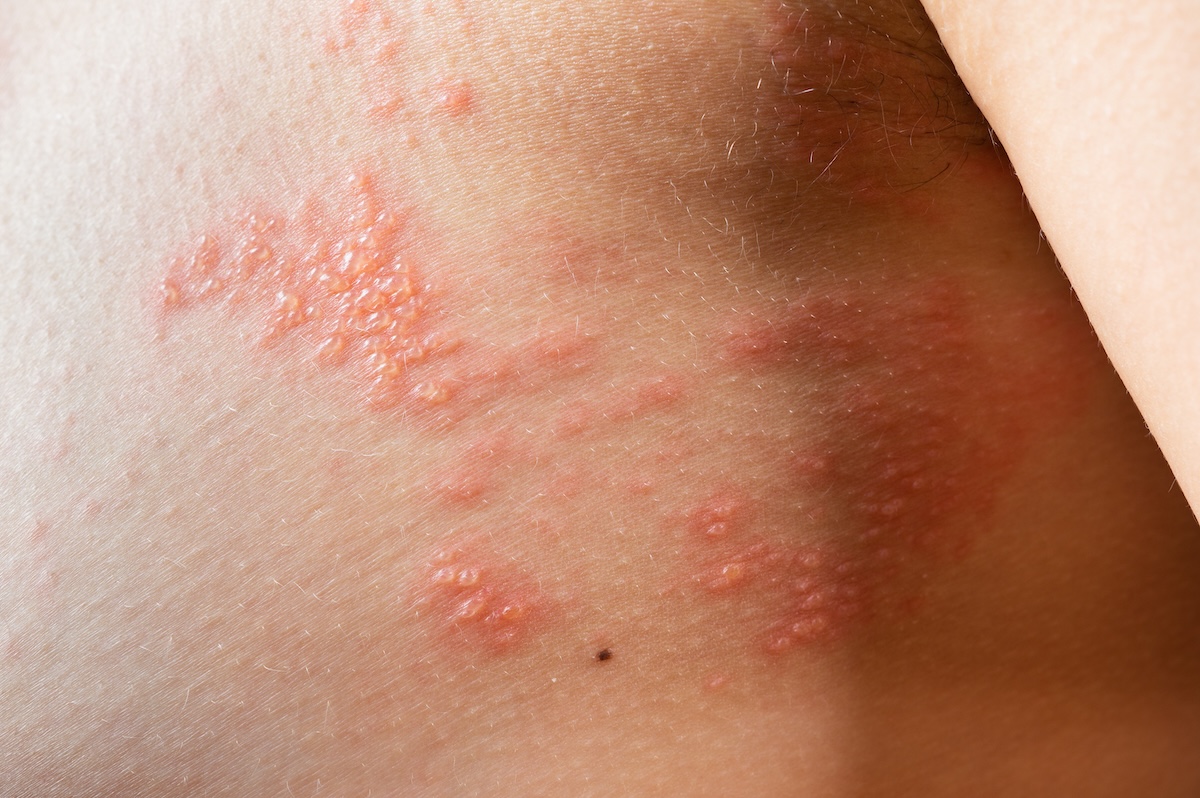
Herpes symptoms vary quite a bit between people. Some people experience noticeable outbreaks; others have very mild symptoms they might attribute to something else entirely. Some people have no symptoms at all.
When symptoms do appear, they often include small blisters or sores in the affected area, tingling or itching sensations before sores develop, and sometimes flu-like feelings during an initial outbreak. For genital herpes specifically, some people notice discomfort or irritation in the genital area without obvious sores.
What Can Be Mistaken for Herpes?
Several things can look or feel similar to a herpes outbreak. Ingrown hairs, razor burn, contact dermatitis, yeast infections, bacterial vaginosis, and certain skin conditions can all produce symptoms that resemble herpes. This is one reason why self-diagnosis based on appearance alone isn’t reliable. A proper test provides actual clarity rather than guesswork.
Signs in Women
Women may notice itching, tingling, or a burning sensation in the vaginal or anal area. Some experience discomfort during urination, swollen glands in the groin, or a feeling of pressure in the lower abdomen. During a first outbreak, some people also feel generally unwell — fatigue, mild fever, or body aches. These symptoms can be subtle enough to go unnoticed or be attributed to something else.
How Long Can You Have Herpes Without Knowing?
It’s entirely possible to carry herpes for years without any noticeable symptoms. Many people discover they have it only when a partner tests positive or when they get a routine blood test. The initial infection might have caused no symptoms, or symptoms so mild they weren’t recognized as herpes at the time.
Because herpes can be present without any obvious signs, a blood test is the only reliable way to know your status — especially if you’ve never had a visible outbreak or if you’re uncertain about past exposures.
Is Herpes Permanent?
Yes — once HSV enters the body, it stays. The virus lives in nerve cells and can remain dormant for long periods. There’s no treatment that removes it from the body entirely. Antiviral medications can reduce the frequency and intensity of outbreaks and lower the amount of viral shedding, but they don’t eliminate the virus.
That said, many people with herpes have very infrequent outbreaks or none at all after the initial period. For a lot of people, it becomes something they rarely think about over time.
Frequently Asked Questions
How is herpes transmitted?
Herpes spreads through direct skin-to-skin contact with an infected area. This includes kissing, oral sex, and genital contact. The virus passes through contact with sores, saliva, or mucous membranes — it cannot spread through surfaces, shared objects, or casual contact like hugging.
Can herpes spread when there are no symptoms?
Yes. Asymptomatic shedding means the virus can be active on the skin even when there are no visible sores or noticeable symptoms. This is one of the main reasons herpes spreads so widely — many people don’t realize they’re carrying it.
How long can you have herpes without knowing?
You can carry herpes for months or years without symptoms. Many people find out through a blood test rather than through any visible outbreak. A first outbreak, if it happens at all, may be mild enough to go unrecognized.
What’s the difference between HSV-1 and HSV-2 transmission?
HSV-1 primarily spreads through oral contact — kissing or oral sex — and most commonly affects the mouth area. HSV-2 typically spreads through genital contact. Either type can appear in either location, though HSV-2 sheds more frequently and tends to recur more often in the genital area.
What can be mistaken for herpes?
Ingrown hairs, contact dermatitis, yeast infections, razor burn, and certain skin conditions can all produce symptoms that look or feel similar to herpes. Because of this overlap, a blood test or swab test gives a clearer answer than visual assessment alone.
Is herpes permanent?
Yes — the herpes virus stays in the body once it’s established. It lives in nerve cells and can reactivate periodically. Antiviral medications can manage outbreaks and reduce shedding, but there’s currently no treatment that removes the virus entirely.
Is herpes common?
Very. Estimates suggest that more than half of adults carry HSV-1, and roughly 11–13% of adults under 50 carry HSV-2. Many people don’t know they have it because they’ve never had a recognizable outbreak. It’s one of the most common viral infections globally.
How do I find out if I have herpes?
A blood test can detect antibodies to both HSV-1 and HSV-2, even if you’ve never had visible symptoms. If a sore or blister is present, a swab test can also identify which type of herpes is causing it. Getting tested is a straightforward way to get clarity about your status.
Confidential, Private and Affordable STD Testing
Not sure when to test? Understanding your STD testing window period helps you get accurate results. When you're ready, find confidential STD testing clinics near you — same day appointments, no referral needed, results in 3 business days.