Figuring out whether a bump is an ingrown hair vs herpes is genuinely tricky — both can appear in the same areas, cause redness and discomfort, and look similar at a glance. Understanding the differences between the two can help you figure out your next step. For a broader picture of what to watch for, our complete STD symptoms guide covers a wide range of signs across different infections.
Why Ingrown Hairs and Herpes Are So Easy to Confuse
Both conditions produce red, inflamed bumps in hair-bearing areas like the pubic region, inner thighs, and around the genitals. Both can itch, feel tender, and look angry on the surface. That overlap is exactly why so many people find themselves uncertain about what they’re dealing with.
Ingrown hairs happen when a hair curls back into the skin instead of growing outward — often after shaving, waxing, or threading. Herpes is caused by the herpes simplex virus (HSV), which produces fluid-filled blisters that can appear on or around the genitals, buttocks, and thighs.
The key is knowing what to look for beyond the initial redness. The two conditions differ in appearance, timing, accompanying symptoms, and behavior over time.
How to Identify an Ingrown Hair
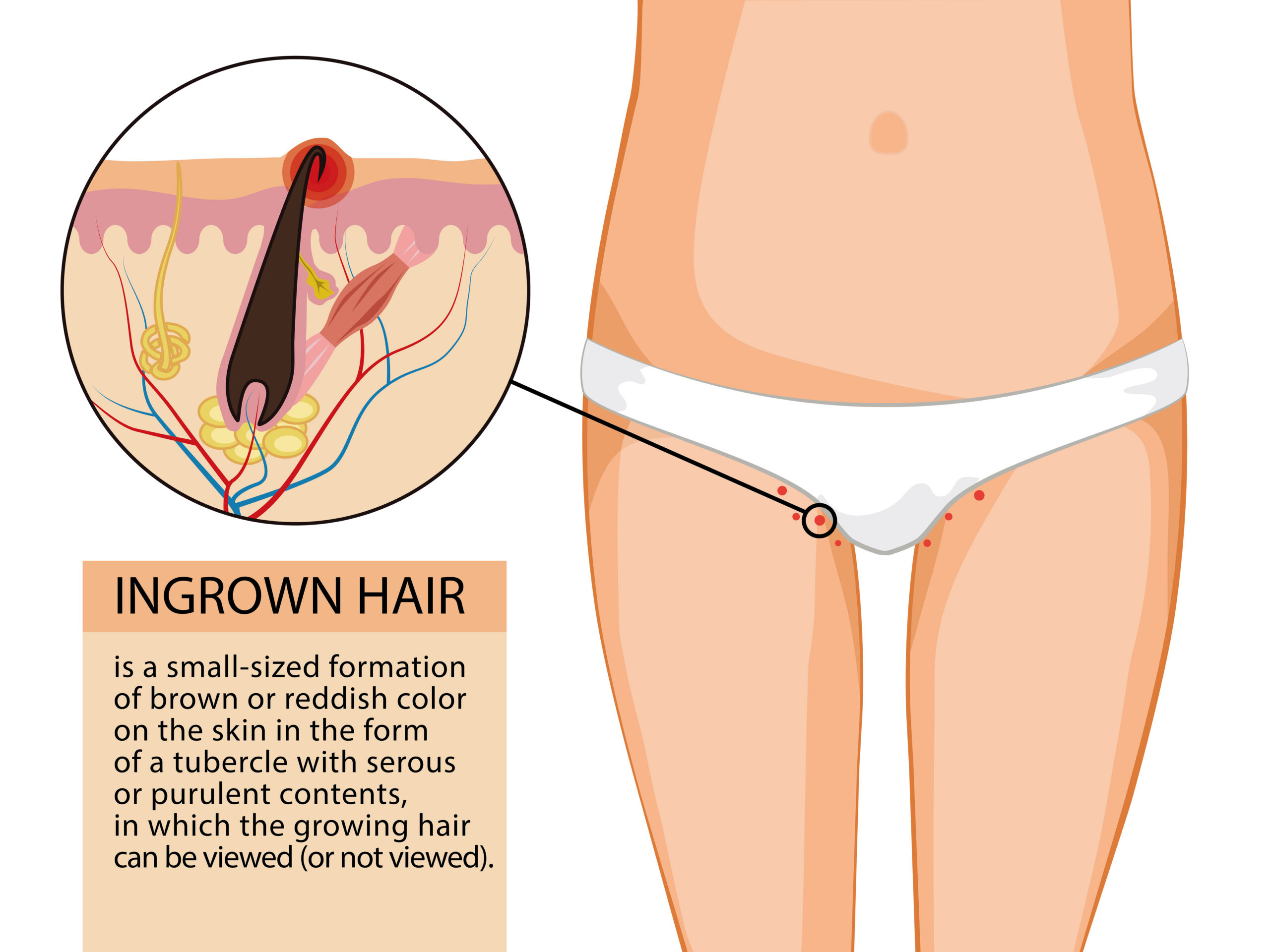
An ingrown hair typically appears as a single, raised bump that looks a lot like a pimple. It may have a yellow or white center, and in many cases you can see a coiled hair just beneath the surface of the skin. The bump is usually firm to the touch and sits in an area where you recently removed hair.
Ingrown hairs can become infected ingrown hairs if bacteria enter the follicle, turning them into larger, more painful cysts. An ingrown hair cyst can grow into a hard lump under the skin that takes longer to resolve than a standard bump — sometimes several weeks. Vaginal ingrown hairs are particularly common after bikini waxing or shaving.
Some people develop what looks like an ingrown hair blister, especially when the follicle fills with fluid. This is where the confusion with herpes can increase — but there are still meaningful differences in how each presents.
Key signs pointing toward an ingrown hair:
- A single bump, not a cluster
- A visible hair trapped beneath the skin
- Appears shortly after hair removal
- No tingling or burning sensation before the bump appears
- No fever, body aches, or flu-like symptoms
- Resolves on its own within a few days to two weeks
How long do ingrown hairs last? Most clear up within one to two weeks without treatment. An infected ingrown hair or ingrown hair cyst may take longer.
How to Identify a Herpes Sore
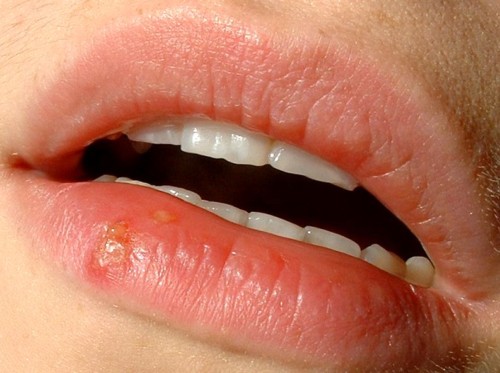
Herpes sores look and behave differently from ingrown hairs in several important ways. The virus typically produces clusters of small, fluid-filled blisters rather than a single bump. These blisters can break open, leaving shallow, raw-looking ulcers that crust over as they heal.
The first signs of herpes often include a tingling, itching, or burning sensation in the skin before any visible sores appear. This prodrome phase — the warning stage — is something ingrown hairs simply don’t produce. Many people also experience flu-like symptoms during a first outbreak, including swollen lymph nodes, fatigue, and mild fever.
Herpes sores typically appear 2 to 12 days after exposure to the virus. A first outbreak can take 2 to 4 weeks to fully heal, and the virus remains in the body — so outbreaks can recur. Recurring outbreaks tend to be milder and shorter than the first.
Key signs pointing toward herpes:
- Clusters of small blisters, not a single bump
- Tingling or burning sensation before sores appear
- Blisters break open and form open sores or ulcers
- Flu-like symptoms during a first outbreak
- Sores appear in areas not related to recent hair removal
- Outbreaks recur over time
For more context on what different STD-related sores look like, STD sores explained offers a helpful visual and descriptive overview.
Ingrown Hair vs Herpes: Side-by-Side Comparison
| Feature | Ingrown Hair | Herpes |
|---|---|---|
| Appearance | Single pimple-like bump, may have white/yellow center | Cluster of fluid-filled blisters |
| Visible hair | Often visible beneath the skin | Not present |
| Trigger | Hair removal (shaving, waxing) | HSV infection; outbreaks triggered by stress, illness, friction |
| Warning sensation | None before bump appears | Tingling, itching, or burning before sores appear |
| Flu-like symptoms | No | Yes, especially during first outbreak |
| Healing time | 1–2 weeks typically | 2–4 weeks (first outbreak); 7–10 days (recurrences) |
| Recurrence | Only if hair removal continues | Yes — virus stays in the body |
| Contagious | No | Yes |
| Location | Hair-bearing areas only | Genitals, thighs, buttocks, mucous membranes |
Can Ingrown Hairs Feel Like Herpes?
Yes — and this is one of the most common sources of confusion. From red bumps to inflammation and itching, ingrown hairs and herpes can look and feel quite similar, especially in the genital area. Both conditions can cause tenderness and discomfort in overlapping locations.
The difference often comes down to the pattern of symptoms rather than any single sign. An ingrown hair doesn’t announce itself with a tingling warning, doesn’t travel in clusters, and doesn’t come with a fever. Herpes tends to produce a more widespread inflammatory response, particularly during a first outbreak.
What can easily be mistaken for herpes? Quite a few things — including ingrown hairs, razor bumps, contact dermatitis, folliculitis, and even pimples. If you’re unsure, getting tested is the most reliable way to know for certain. A herpes vs pimples comparison can also help clarify another commonly confused pairing.
Can Shaving Trigger Herpes?
Shaving itself doesn’t cause herpes — you can only get herpes through contact with the HSV virus. However, shaving can act as a trigger for an outbreak in someone who already carries the virus. The friction and minor skin trauma from a razor can activate the virus in the nerve pathways beneath the skin.
This is also why razor burn can look a lot like herpes — and why the two are frequently confused after shaving. If you’ve recently shaved and notice bumps or irritation, it’s worth thinking about whether this looks more like razor irritation or something that came with tingling, burning, or clustered blisters. For a closer look at that comparison, razor burn vs herpes walks through the distinctions clearly.
Other known herpes outbreak triggers include stress, illness, immune suppression, sun exposure, hormonal shifts, and friction in the genital area. Outbreaks don’t always have an obvious cause, though, and many people experience them without a clear trigger.
What Makes Herpes Flare Up?
Once the herpes simplex virus is in the body, it stays dormant in nerve tissue between outbreaks. Various factors can reactivate it. Common triggers include:
- Physical or emotional stress
- Illness or fever
- Fatigue or poor sleep
- Friction or skin trauma in the affected area
- Excessive sun exposure
- Hormonal changes
- A weakened immune system
Not everyone with herpes experiences frequent outbreaks. Some people have one or two and then very few after that. Others find their outbreaks become less frequent over time.
Home Remedies: Do Apple Cider Vinegar or Toothpaste Help Herpes Sores?
People exploring home remedies for herpes sores often come across suggestions like apple cider vinegar (ACV) and toothpaste. Here’s what the evidence actually shows.
Apple Cider Vinegar
ACV has known anti-inflammatory and antimicrobial properties, and some people report using it on cold sores or genital herpes sores. However, research hasn’t established that applying it topically can treat a herpes outbreak or meaningfully shorten healing time. If you choose to try it, diluting it well is important — undiluted ACV can irritate or burn already-sensitive skin.
Toothpaste
Toothpaste is another commonly mentioned home remedy. Some toothpaste formulas contain sodium lauryl sulfate (SLS), which has shown some antiviral properties in lab settings. In practice, though, there’s little solid evidence that toothpaste speeds up healing. It can also irritate the skin and potentially worsen inflammation, making it a less reliable option.
Antiviral medications prescribed by a healthcare provider are the most established way to manage herpes outbreaks and reduce their duration. Home remedies may offer mild comfort for some people, but they don’t replace a confirmed diagnosis or treatment plan.
Ingrown Hair Treatment Options
Most ingrown hairs resolve without intervention. Leaving the area alone — and avoiding further hair removal until it clears — is often all that’s needed. Warm compresses applied to the area a few times a day can help reduce swelling and encourage the hair to work its way free.
For an infected ingrown hair or an ingrown hair cyst that isn’t clearing up, a healthcare provider can offer options including topical or oral antibiotics, or a minor procedure to release the trapped hair. Ingrown hair cyst treatment at home should stop short of squeezing or popping — that can push bacteria deeper and worsen the infection.
If you’re dealing with recurring ingrown pubic hairs or razor bumps, switching to a single-blade razor, exfoliating regularly, and shaving in the direction of hair growth can reduce how often they occur. For other STD bumps to know about that might also appear in similar areas, that guide covers a broader range of possibilities.
When to See a Doctor
Some bumps are easy to watch and wait on. Others are worth getting checked out sooner. If you notice any of the following, seeing a healthcare provider makes sense:
- Blisters that cluster together or open into sores
- Tingling, burning, or itching before bumps appear
- Fever, fatigue, or swollen lymph nodes alongside genital bumps
- Bumps that recur in the same location
- An ingrown hair cyst that becomes very large, very painful, or shows signs of spreading infection
- Any bump you can’t confidently identify
A swab test of an active sore is the most accurate way to confirm herpes. Blood tests can also detect HSV antibodies, though timing matters for accuracy. A provider can assess the bump visually and determine the right test for your situation.
How to Get the Right Diagnosis
Visual inspection alone — even by a provider — isn’t always enough to confirm herpes. Swab testing of an active lesion gives the most reliable result, which is why getting checked during or shortly after an outbreak is ideal. If sores have already healed, a blood test for HSV-1 and HSV-2 antibodies can still provide useful information, though it takes time for antibodies to develop after a new infection.
Self-diagnosing based on appearance carries real uncertainty. Ingrown hairs, razor bumps, folliculitis, and herpes can all look alike at different stages. If there’s any doubt, testing removes it — and knowing for certain is far less stressful than guessing.
Not sure when to test? When you’re ready, find confidential STD testing clinics near you – same day appointments, no referral needed, results in 3 business days.
FAQ
Can ingrown hairs feel like herpes?
Yes. Both conditions can cause red, inflamed, painful bumps in the genital area that itch and look similar on the surface. The differences become clearer when you look at the full pattern — ingrown hairs don’t cause tingling before they appear, don’t cluster, and don’t come with fever or fatigue. Herpes tends to produce those broader symptoms, especially during a first outbreak.
How long do ingrown hairs last?
Most ingrown hairs clear up within one to two weeks on their own. An infected ingrown hair or ingrown hair cyst may take longer — sometimes several weeks — and may need treatment if it becomes significantly painful or doesn’t improve.
Can shaving trigger a herpes outbreak?
Shaving doesn’t cause herpes, but the friction and skin irritation it creates can reactivate the virus in someone who already carries it. Skin trauma from shaving is a recognized outbreak trigger, which is one reason razor bumps and herpes sores sometimes appear in the same locations and cause confusion.
What can be mistaken for herpes?
Several skin conditions look similar to herpes, including ingrown hairs, razor burn, folliculitis, contact dermatitis, genital pimples, and in some cases molluscum contagiosum or syphilis sores. Testing is the only way to know for certain what you’re dealing with.
Does apple cider vinegar help with herpes sores?
Research hasn’t confirmed that applying apple cider vinegar topically speeds up healing of herpes sores. It has anti-inflammatory properties, but undiluted ACV can irritate sensitive skin. Antiviral medications remain the most established option for managing outbreaks.
What makes herpes flare up?
Common herpes outbreak triggers include stress, illness, fatigue, hormonal changes, friction in the affected area, sun exposure, and immune suppression. Not every outbreak has an obvious trigger, and some people experience outbreaks less frequently over time.
Is an ingrown hair contagious?
No. Ingrown hairs are not contagious — they’re caused by a hair growing back into the skin, not by an infection you can pass to someone else. Herpes, by contrast, is transmitted through skin-to-skin contact with an infected person.
When should I get tested for herpes?
Getting a swab test during an active outbreak gives the most accurate result. If sores have already healed, a blood test can detect HSV antibodies, though it’s worth knowing that antibodies may take several weeks to develop after a new infection. If you’re uncertain about a bump you’ve noticed, a healthcare provider can guide you on the right type and timing of testing.
Confidential, Private and Affordable STD Testing
Not sure when to test? Understanding your STD testing window period helps you get accurate results. When you're ready, find confidential STD testing clinics near you — same day appointments, no referral needed, results in 3 business days.