
If you’ve ever wondered whether you can get an STD from a hot tub, you’re not alone — it’s one of the most common questions people have about sexual health and water. The short answer is that getting an STD simply from soaking in a hot tub is extremely unlikely. Understanding why that’s the case — and where the real considerations lie — can help clear up a lot of confusion.
Most STDs are caused by bacteria, viruses, or parasites that are fragile outside the human body. They don’t survive well in water, especially hot, chemically treated water. To understand how STDs spread, it helps to know that transmission almost always requires direct contact with infected tissue, fluids, or mucous membranes — not a shared body of water.
Why Hot Tub Water Doesn’t Transmit STDs
Hot tubs are typically maintained with chlorine or bromine, and the water temperature usually sits between 100°F and 104°F. That combination is hostile to the organisms responsible for most STDs.
Pathogens like the bacteria that cause chlamydia and gonorrhea, or the viruses behind herpes and HIV, break down rapidly once they leave the body. In a properly maintained hot tub, they wouldn’t survive long enough to reach another person through the water.
There’s also a dilution factor. Even if trace amounts of an infected fluid entered the water, the volume of a hot tub — typically 300 to 500 gallons — would dilute it to a level where transmission through the water itself is not a realistic concern.
Can You Get Chlamydia from a Hot Tub or Pool?
Chlamydia is caused by a bacterium called Chlamydia trachomatis. It’s transmitted through direct sexual contact — specifically, through infected genital secretions reaching mucous membranes. It cannot survive in pool or hot tub water.
The same applies to gonorrhea, syphilis, and most other bacterial STDs. These organisms are not waterborne. They require direct person-to-person transmission to spread. So soaking in a hot tub after someone with chlamydia poses no realistic exposure through the water.
What About Sexual Activity in a Hot Tub?
This is where the picture changes. If sexual contact happens while in a hot tub, the water itself doesn’t offer any protection against STD transmission. Direct contact between partners still creates the same exposure routes as any other setting.
One additional consideration: hot water and pool chemicals can degrade latex condoms, making them more likely to break. So a condom that might hold up under normal conditions may be less reliable in a hot tub environment. That’s worth keeping in mind, though it’s simply a practical factor — not a reason for alarm.
What Infections Can Actually Spread in Hot Tubs?
While STDs aren’t a concern from the water itself, some other infections can spread through hot tubs — particularly when the water isn’t properly maintained.
Hot Tub Folliculitis (Pseudomonas Dermatitis)
This is a skin rash caused by Pseudomonas aeruginosa, a bacterium that can survive in warm water when chlorine levels are low. It typically shows up as red, itchy bumps — usually appearing within a day or two of hot tub use. It’s not an STD and clears up on its own in most cases.
Legionella and Respiratory Illness
Legionella bacteria can grow in warm water that isn’t properly treated. It spreads through inhaling water vapor or mist — not through skin contact or ingestion. Well-maintained hot tubs with proper chlorine levels greatly reduce this concern.
Gastrointestinal Illnesses
Some parasites and bacteria can cause stomach-related symptoms if contaminated water is accidentally swallowed. Again, properly treated water largely eliminates this issue.
None of these are STDs, and none are transmitted through the mechanisms that spread sexual infections.
Hot Tub Infections vs. STDs: A Quick Comparison
| Infection | Can It Spread in Hot Tub Water? | Transmission Route |
|---|---|---|
| Chlamydia | No | Direct sexual contact only |
| Gonorrhea | No | Direct sexual contact only |
| HIV | No | Blood, sexual fluids, breast milk |
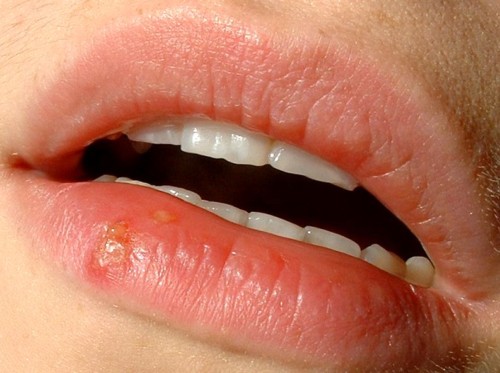
| Herpes (HSV) | Extremely unlikely | Skin-to-skin contact, mucous membranes |
| Syphilis | No | Direct contact with sores |
| Hot Tub Folliculitis | Yes (poorly maintained water) | Skin contact with contaminated water |
| Legionella | Yes (poorly maintained water) | Inhaling water vapor or mist |
Can You Get an STD from a Pool or Lake?
The same logic applies to swimming pools and natural bodies of water. Pools are chlorinated, and the dilution and chemical environment make STD transmission through the water itself essentially impossible.
Lakes and natural water sources aren’t chlorinated, but STD pathogens still break down rapidly outside the body and don’t persist in open water. Swimming in a lake after someone who has an STD poses no realistic exposure through the water.
The only way STDs spread in any of these settings is through direct person-to-person sexual contact — not through shared water.
What Does “STD” Mean on a Hot Tub Display?
If you’ve seen “STD” on a hot tub control panel, it has nothing to do with sexually transmitted diseases. In hot tub terminology, “STD” stands for Standard mode — a heating setting where the tub maintains the set temperature by running the heater whenever the water drops more than about 2 degrees below the target. It’s simply a display code for an operating mode.
Can Women Get Infections from Hot Tubs?
It’s possible to experience some irritation from hot tub water, particularly if the water chemistry is off. Irritation from high chemical concentrations or imbalanced pH can occasionally contribute to discomfort — though this is distinct from an STD.
Urinary tract infections are a separate topic, and hot tubs aren’t a common source of them. Any discomfort after hot tub use that persists is worth checking out with a healthcare provider, but it’s rarely something to be concerned about.
What About Other Non-Sexual Transmission Routes?
If you’re thinking more broadly about how STDs spread outside of typical sexual activity, there are other non-sexual STD transmission routes worth understanding — such as blood-to-blood contact or transmission during childbirth. These are specific, well-documented pathways that are very different from casual water exposure.
When Testing Makes Sense
If you’ve had sexual contact — whether in a hot tub or anywhere else — and you’re uncertain about your exposure, find a free testing location near you to get clarity. Testing is simply a way to know where you stand.
Most STDs don’t cause obvious symptoms, so testing is the only way to know for certain. How soon after a potential exposure you test matters too, since different tests have different window periods before they become accurate. A testing provider can help you understand the right timing.
Frequently Asked Questions
Can you get an STD from a hot tub?
Getting an STD from soaking in a hot tub is extremely unlikely. The bacteria and viruses that cause STDs don’t survive in hot, chlorinated water. Transmission through the water itself is not a realistic concern under normal circumstances.
Can chlamydia spread in pool water?
No. The bacterium that causes chlamydia cannot survive in pool or hot tub water. Chlamydia spreads through direct sexual contact only — specifically through infected secretions reaching mucous membranes. Water exposure doesn’t create a transmission route.
What does “STD” mean on a hot tub control panel?
On a hot tub display, “STD” stands for Standard heating mode. It means the tub is set to maintain the target temperature by heating whenever the water drops about 2 degrees below it. It’s an operating mode indicator, not a health-related message.
Can you get herpes from being in a hot tub with someone?
Herpes spreads through direct skin-to-skin contact and contact with mucous membranes — not through water. Simply sharing a hot tub with someone who has herpes doesn’t create a realistic exposure. Sexual contact in the water would be a different situation, since that involves direct contact.
Can diseases spread through hot tub water?
Some non-STD infections can spread through poorly maintained hot tub water. These include hot tub folliculitis (a skin rash caused by Pseudomonas bacteria) and respiratory illness linked to Legionella. Properly chlorinated and maintained hot tubs significantly reduce these concerns. None of these infections are STDs.
Can women get infections from hot tubs?
Some women experience skin or genital irritation from water that’s high in chemicals or has imbalanced pH. This is different from an STD. Urinary tract infections can occasionally follow hot tub use, though it’s not a common cause. Any persistent discomfort after hot tub use is worth discussing with a healthcare provider.
Can STDs spread through bath water?
STDs don’t spread through bath water. The pathogens responsible for sexual infections require direct mucous membrane or tissue contact to transmit. Sharing a bath — like sharing a pool or hot tub — doesn’t create that direct contact through the water itself.
Does chlorine kill STDs in water?
Chlorine does kill or deactivate many pathogens in water. But even before chlorine plays a role, most STD-causing organisms break down rapidly once they leave the body. The combination of hot water, chemical treatment, and high dilution makes a properly maintained hot tub a very poor environment for these pathogens.
Confidential, Private and Affordable STD Testing
Not sure when to test? Understanding your STD testing window period helps you get accurate results. When you're ready, find confidential STD testing clinics near you — same day appointments, no referral needed, results in 3 business days.